
right way to use rosemary oil for your best hair
Don’t worry about sounding professional. Sound like you. There are over 1.5 billion websites out there, but your story is what’s going to separate this one from the rest. If you read the words back and don’t hear your own voice in your head, that’s a good sign you still have more work to do.
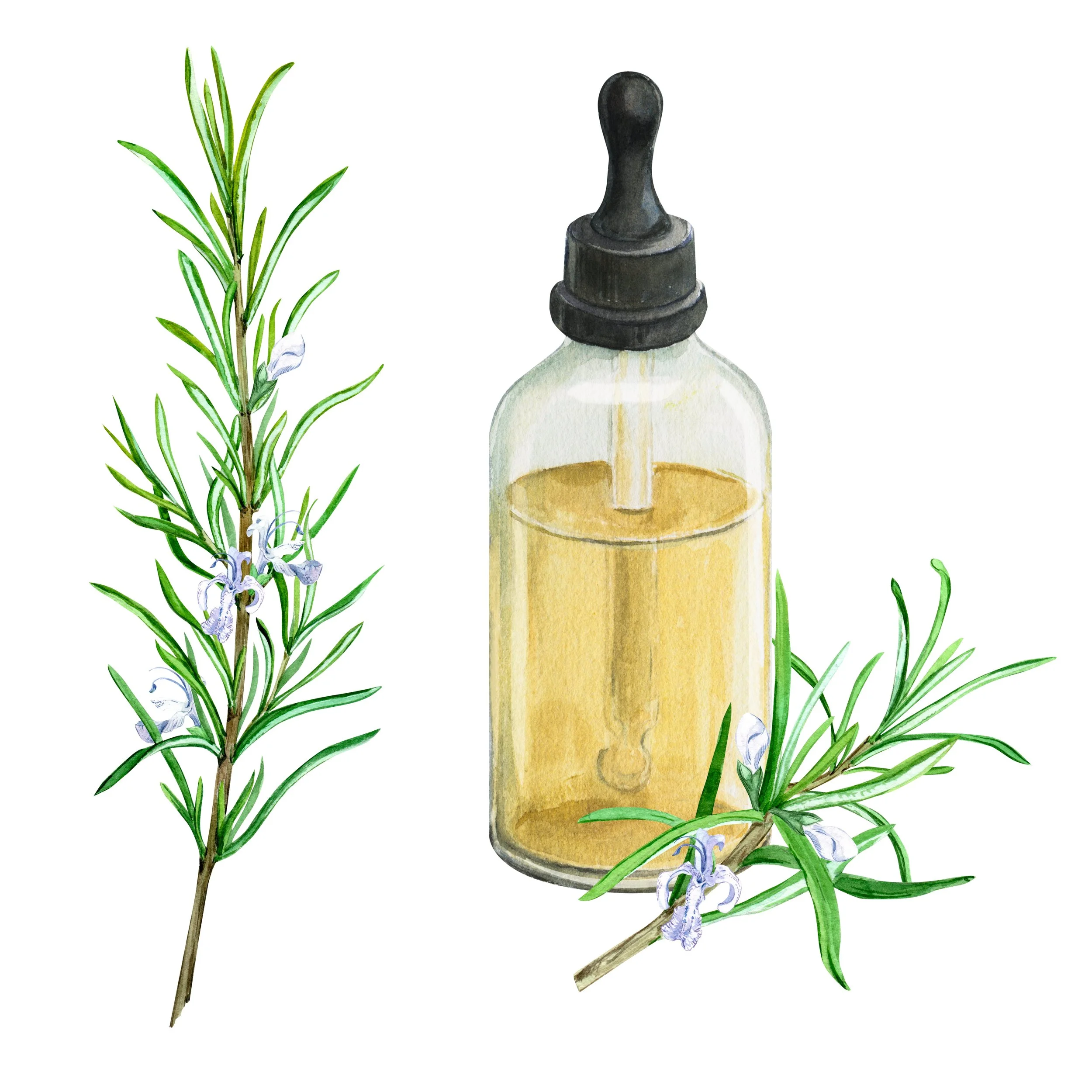
Rosemary oil has gained popularity as a natural remedy for promoting hair growth, reducing hair loss, and enhancing scalp health. Its antioxidant, anti-inflammatory, and antimicrobial properties make it an excellent addition to your haircare routine. However, using it the right way is key to unlocking its full benefits. Here’s how to incorporate rosemary oil into your regimen for the best results.
Can you apply rosemary oil directly to your scalp?
Rosemary oil should be applied directly on the scalp instead of on the strands of the hair or the ends, as its more effective in promoting growth from the root for best results. As with any product, doing a patch test to prevent an allergic reaction is a must. All you need to do is apply diluted rosemary oil to a small patch of the skin(perhaps the back of the ear) and wait for 24 hours. Any redness, swelling and itching is a sign that you should put it down.
Can you apply rosemary oil directly to your hair strands?
“Using rosemary oil directly on your hair strands can provide additional benefits such as improving hair texture, reducing split ends, and enhancing shine. To apply rosemary oil directly to your hair strands, you can add a few drops of the oil to your regular shampoo or conditioner, or create a hair mask by mixing the oil with a carrier oil and leaving it on for 20-30 minutes before rinsing. However, its important to note that using too much rosemary oil directly on your hair can lead to dryness and irritation, so be sure to use it in moderation and dilute it properly with a carrier oil.
Can rosemary oil help with hair loss caused by alopecia?
Alopecia is a medical condition that can cause hair loss that can affect any body part but there is no known cure for it yet. However, rosemary oil has been reported to help with hair loss caused by alopecia, but only anecdotally, since Rosemary oil stimulates hair follicles and improves circulation to the scalp. rosemary oil alone is not the cure for alopecia, and it may not be the most effective treatment. However “Incorporating rosemary oil into your hair care routine may still have beneficial effects on hair health and growth, and it may be worth discussing with a healthcare provider or dermatologist as part of a comprehensive treatment plan.”
Hair Health Benefits:
Promotes Hair Growth
Rosemary oil stimulates blood circulation to the scalp, delivering essential nutrients to hair follicles and encouraging growth. It’s particularly effective for addressing hair thinning and promoting thicker, healthier hair.
Reduces Hair Loss
Studies suggest rosemary oil may prevent hair loss caused by androgenetic alopecia (pattern baldness) by blocking the effects of dihydrotestosterone (DHT), a hormone linked to hair thinning.
Improves Scalp Health
Its antimicrobial and anti-inflammatory properties help soothe scalp irritation, reduce dandruff, and maintain a healthy scalp environment.
Strengthens Hair Strands
The antioxidants in rosemary oil protect hair from environmental damage, while its nourishing properties strengthen strands, reducing breakage and split ends.
Adds Shine and Softness
Regular use of rosemary oil enhances hair texture, leaving it shinier, smoother, and more manageable.
Incorporating rosemary oil into your routine is an excellent way to harness its natural benefits, from luscious hair to enhanced overall well-being.
