
How Vitamin B12 Deficiency Affects Your Skin and Hair
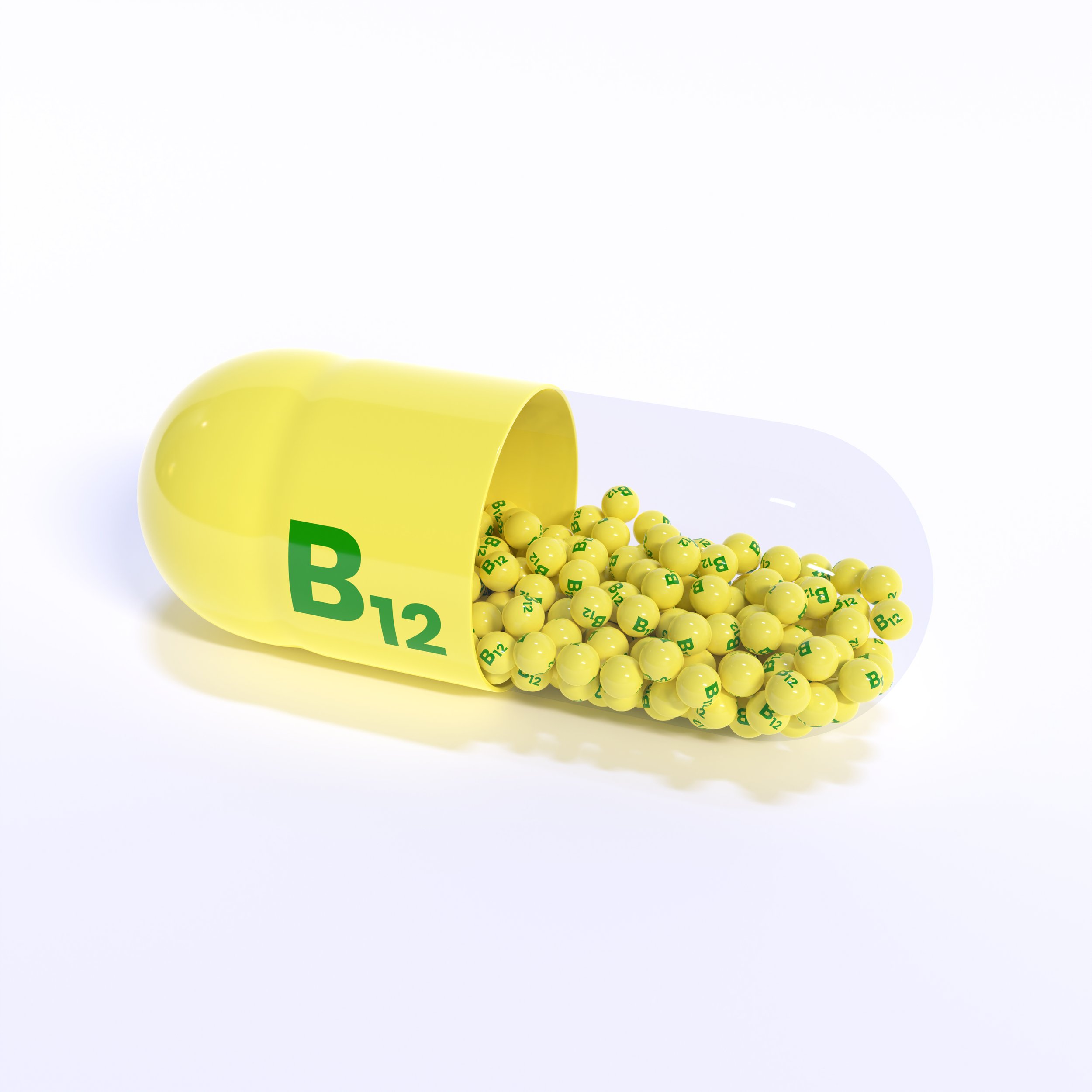
Vitamin B12, an essential nutrient, plays a critical role in maintaining the health of various bodily functions, including red blood cell production, nerve function, and DNA synthesis. Though its significance is often associated with energy and cognitive function, a deficiency in this vital vitamin can also manifest through changes in skin and hair health. Many people may overlook these early warning signs, assuming them to be unrelated to nutrient deficiency. However, understanding how Vitamin B12 impacts the skin and hair can help identify a deficiency early and prevent long-term health complications. In this article, we’ll delve into the changes that occur in your skin and hair due to Vitamin B12 deficiency and why this vitamin is so crucial to maintaining their overall health.
Skin Changes Due to Vitamin B12 Deficiency:
1. Pale or Jaundiced Skin:
One of the most common and noticeable symptoms of Vitamin B12 deficiency is the appearance of pale or yellowish skin, also known as jaundice. Vitamin B12 plays a significant role in red blood cell production. When there is a deficiency, the body cannot produce healthy red blood cells effectively, leading to a condition called megaloblastic anemia. In this condition, red blood cells become too large and fragile to move through the bloodstream, causing their breakdown. This breakdown of red blood cells releases a pigment called bilirubin, which causes the skin to take on a yellowish hue, similar to jaundice. If you notice an unusual paleness or yellow tinge to your skin, it could be a sign that your Vitamin B12 levels are low.
2. Hyperpigmentation:
Hyperpigmentation is another skin condition associated with Vitamin B12 deficiency. This refers to darkened patches or spots on the skin, often on the hands, face, or other exposed areas. This condition occurs when there is an abnormal increase in melanin production, triggered by the deficiency. Although hyperpigmentation can be caused by other factors, such as sun exposure or hormonal changes, it can also be linked to Vitamin B12 deficiency, particularly in darker-skinned individuals. Prompt treatment of the deficiency can help to alleviate this pigmentation.
3. Vitiligo:
Vitiligo is a condition where patches of skin lose their pigment, resulting in white or lighter-colored areas on the body. Though the exact cause of vitiligo is unclear, research has suggested a possible link between Vitamin B12 deficiency and this autoimmune skin disorder. Vitamin B12 plays a role in the production of melanin, the pigment responsible for skin color. A deficiency can lead to disruptions in melanin production, potentially contributing to the development or worsening of vitiligo. Early diagnosis and management of Vitamin B12 deficiency may help slow the progression of vitiligo.
4. Dry and Itchy Skin:
Vitamin B12 deficiency can lead to dry, flaky, and itchy skin. This is often a result of poor cellular regeneration, as Vitamin B12 is essential for maintaining healthy skin cells. Without adequate Vitamin B12, skin cells do not regenerate as efficiently, leading to dryness and irritation. Additionally, the impaired production of red blood cells can reduce the amount of oxygen that reaches the skin, exacerbating these symptoms. Over time, this can result in skin that appears dull, lacks moisture, and feels rough to the touch.
Hair Changes Due to Vitamin B12 Deficiency:
1. Hair Thinning and Hair Loss:
Just as Vitamin B12 is vital for skin health, it also plays a significant role in maintaining strong and healthy hair. When there is a deficiency, one of the most common symptoms is hair thinning or even hair loss. This happens because Vitamin B12 is essential for the production of oxygen-rich red blood cells that nourish the hair follicles. When the follicles are deprived of oxygen, they become weak, leading to hair falling out more easily. In more severe cases, long-term deficiency can contribute to conditions like alopecia (hair loss in patches). If you are experiencing unusual hair shedding or thinning, it’s worth checking your B12 levels.
2. Premature Graying of Hair:
Another sign of Vitamin B12 deficiency is premature graying of hair. While graying is a natural part of aging, an unexpected or early onset of gray hair can be linked to a lack of Vitamin B12. This is because the vitamin is involved in the production of melanin, the pigment that gives hair its natural color. Without adequate levels of Vitamin B12, the production of melanin may be disrupted, causing hair to lose its color prematurely. By addressing the deficiency, it may be possible to slow down the process of premature graying.
3. Brittle and Dry Hair:
In addition to hair thinning and premature graying, Vitamin B12 deficiency can also make your hair feel dry, brittle, and prone to breakage. Healthy hair requires adequate blood circulation and oxygen, which are dependent on proper red blood cell production. Without sufficient Vitamin B12, the scalp receives less oxygen, leading to weakened hair shafts that are more prone to breakage and damage. This can make your hair appear dull, lifeless, and frizzy.
How to Boost Vitamin B12 Levels:
1. Dietary Adjustments: Include more Vitamin B12-rich foods in your diet, such as fish (salmon, tuna), meat (beef, poultry), dairy products, eggs, and fortified cereals.
2. Supplements: For those who cannot get enough Vitamin B12 from their diet, over-the-counter supplements or prescribed injections may be necessary, especially for vegetarians and vegans.
3. Regular Monitoring: If you are at risk for deficiency, regular monitoring of your B12 levels is crucial to prevent recurrence and to catch any deficiencies early.
Conclusion:
Vitamin B12 deficiency can have a profound impact on your skin and hair, with symptoms ranging from pale or jaundiced skin to hair thinning and premature graying. These changes, while alarming, are often reversible with proper treatment. By paying attention to the early signs and ensuring that you get enough Vitamin B12 through diet or supplementation, you can maintain healthy skin, hair, and overall well-being.
