
blow-drying better for your hair than air-drying?
Don’t worry about sounding professional. Sound like you. There are over 1.5 billion websites out there, but your story is what’s going to separate this one from the rest. If you read the words back and don’t hear your own voice in your head, that’s a good sign you still have more work to do.
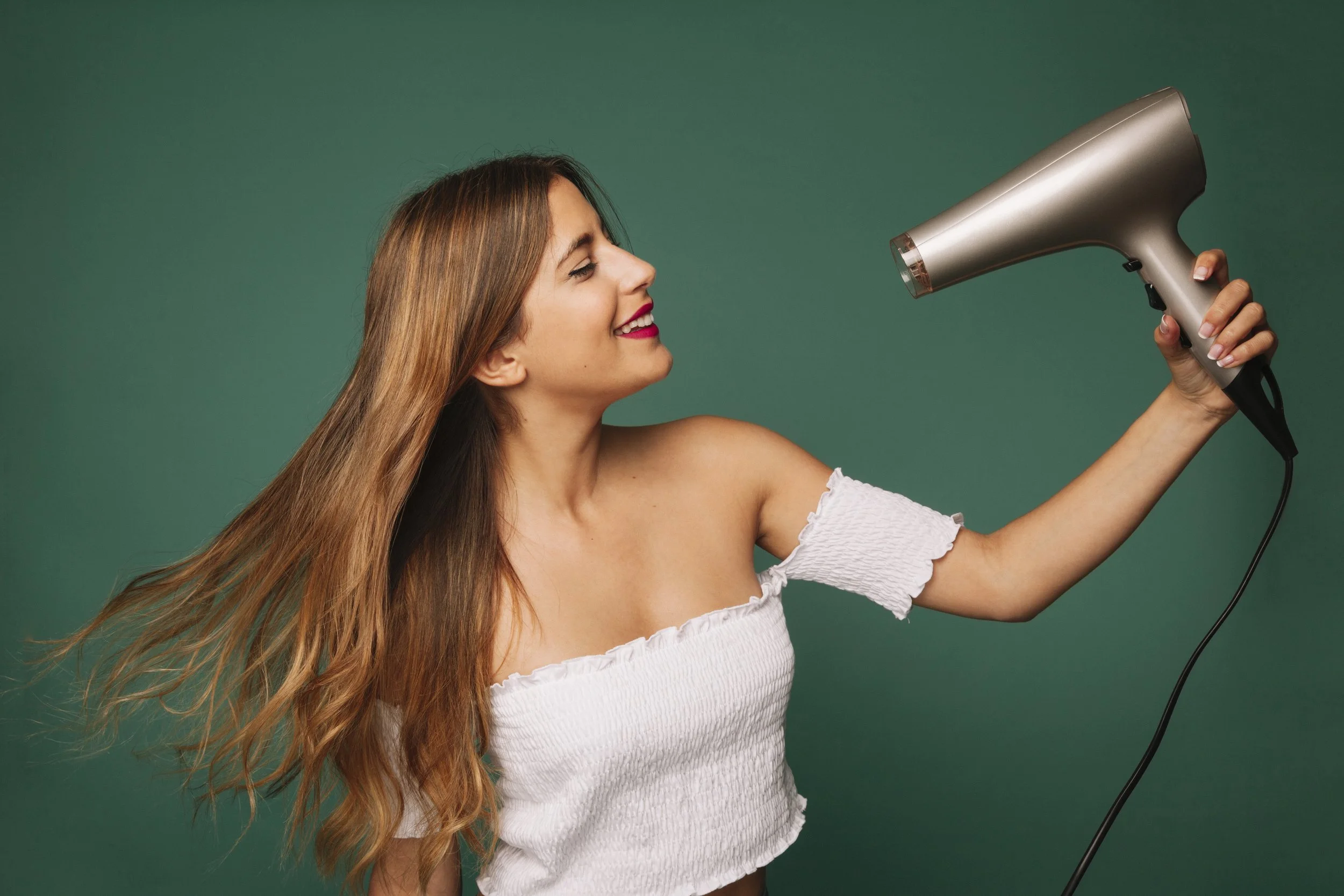
•Our hair is incredibly prone to damage when wet,& explains master hairdresser Dejan Garz. Shampoo and warm water open up the cuticle layer, making the hair prone to breakage from friction—like rubbing against clothing or a pillow. The longer it stays wet, the more susceptible it is to damage.
•If your hair is bleached, highlighted, dyed, or chemically treated, its even more important to use a hairdryer. The cuticle is already compromised, so its crucial to dry your hair quickly to prevent further damage,& advises Garz. He also warns against going to bed with wet hair, as prolonged friction against a pillow can lead to hair breakage and split ends.
The Case for Air-Drying:
Air-drying is often seen as the gentler option because it avoids exposing your hair to the heat damage caused by blow-dryers. Here are the benefits:
No Heat Damage: Skipping the heat helps maintain the integrity of your hair’s cuticle, reducing dryness and breakage.
Low Maintenance: Air-drying doesn’t require any tools or extra time, making it a convenient choice.
The Case for Blow-Drying:
Blow-drying, when done correctly, can actually be better for your hair than air-drying. Here’s why:
Quick Drying: It minimizes the time your hair spends wet, reducing the risk of swelling and damage to the hair shaft.
Controlled Styling: Blow-drying allows you to smooth the cuticle, reduce frizz, and achieve a polished look.
Scalp Health: Quickly drying your scalp prevents bacteria and fungus from thriving in damp conditions.
Which types of hair benefit from air-drying?
•People with fine, wavy, straight, thin, curly, and dyed hair are the most likely to benefit from air- drying.
•“It’s healthier for people with this hair type because [air-drying] lacks heat, and it’s not directly on the scalp,” Sturdivant-Drew says.
•Conversely, if you have thick, coarse, kinky, or relaxed hair, you may want to apply a protective product to your hair before you start. This will help prevent your locks from drying out.
How to Blow-Dry Without Damage
To make blow-drying a healthier option:
Use a Heat Protectant: Always apply a heat-protective spray or serum before blow-drying to shield your hair from damage.
Set the Right Temperature: Use the lowest heat setting that effectively dries your hair. Avoid direct heat on one section for too long.
Dry Strategically: Start with towel-dried hair to remove excess moisture. Blow-dry from the roots to the ends to avoid frizz.
Invest in Quality Tools: A blow-dryer with adjustable heat settings and a nozzle attachment can minimize damage and improve results.
