
serums for pigmentation
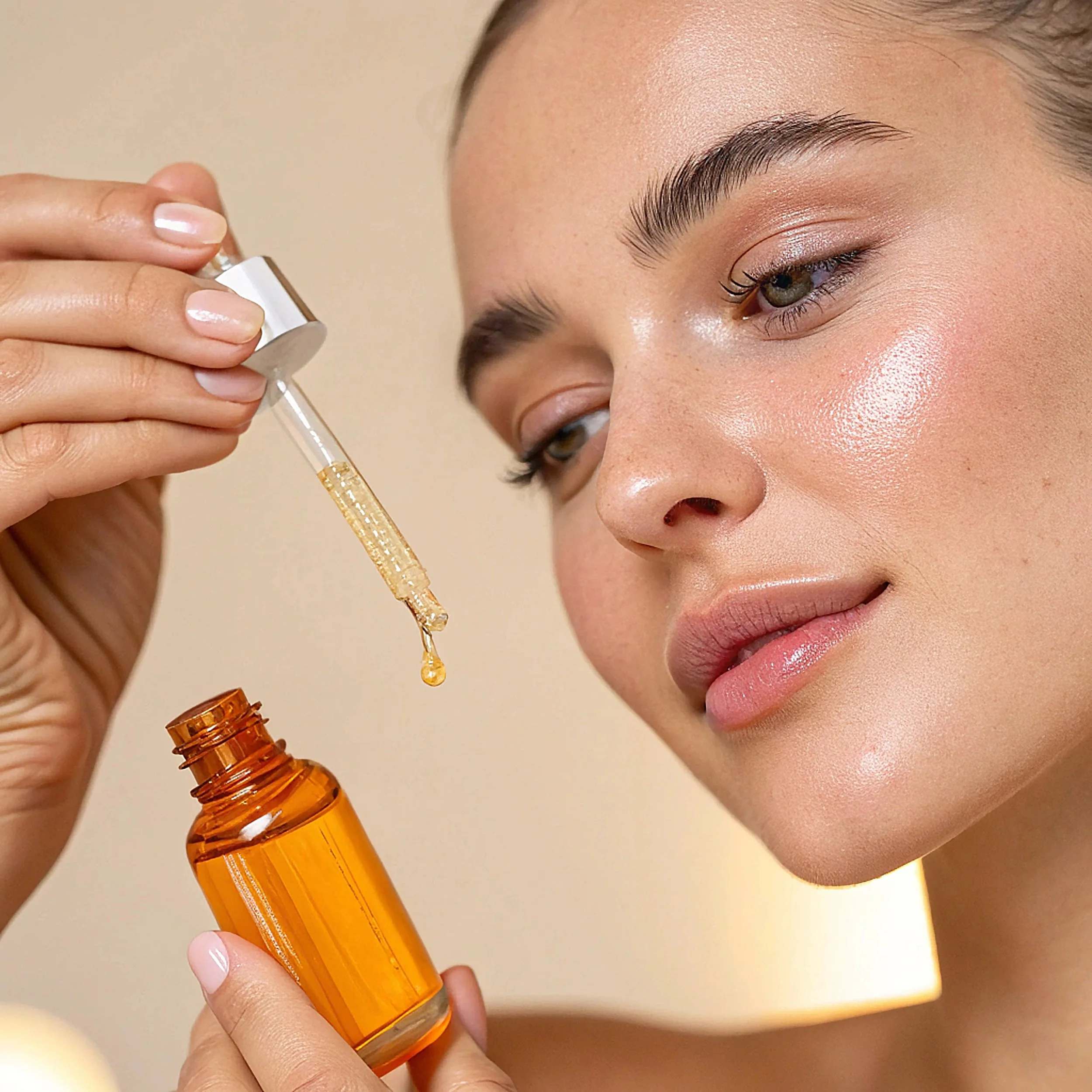
People of various skin kinds and tones might be affected by common pigmentation problems, such as dark patches, hyperpigmentation, melasma, and post-inflammatory hyperpigmentation. Numerous causes, including age, hormonal changes, sun exposure, and acne scarring, can cause these disorders. Despite the fact that pigmentation can be permanent, there are efficient skincare products that can help balance out skin tone and lessen discolouration.
What Are Pigmentation and Hyperpigmentation?
•Pigmentation refers to the natural color of your skin, which is determined by the pigment melanin. When melanin production becomes uneven, dark spots or patches can form on the skin, leading to hyperpigmentation. Common causes of hyperpigmentation include:
•Sun Exposure: UV rays trigger the production of melanin as a defense mechanism, leading to sunspots or age spots.
•Hormonal Changes: Conditions like pregnancy or the use of birth control can lead to melasma, a type of hyperpigmentation.
•Acne Scarring: After an acne breakout, dark spots can remain even after the pimple has healed. These are known as post-inflammatory hyperpigmentation.
•Aging: As the skin ages, uneven melanin production can cause age spots and uneven tone.
How Do Serums Help with Pigmentation?
•Serums are lightweight, highly concentrated formulations designed to penetrate deeper layers of the skin. Because of their potent concentration of active ingredients, serums are often more effective at addressing specific skin concerns like pigmentation. Unlike moisturizers, which primarily work on the skin’s surface, serums can target deeper skin layers and provide targeted treatments for discoloration.
•Serums for pigmentation often contain ingredients that either lighten or prevent the formation of dark spots. The key is to reduce melanin production, exfoliate the skin, and encourage skin cell turnover to reveal brighter, more even-toned skin.
Key Ingredients in Serums for Pigmentation:
1.Vitamin C:
•Vitamin C is a powerful antioxidant that inhibits melanin production and helps lighten dark spots. It’s known for its brightening and skin-evening properties and can reduce the appearance of sunspots, hyperpigmentation, and discoloration.
•How It Works: Vitamin C neutralizes free radicals caused by sun exposure and environmental stressors, which can lead to pigmentation. It also inhibits tyrosinase, the enzyme responsible for melanin production.
2. Niacinamide (Vitamin B3):
•Niacinamide is a versatile ingredient with multiple skin benefits, including lightening hyperpigmentation and improving the skin’s barrier function. It helps to fade dark spots and even out skin tone by reducing melanin transfer within the skin.
•How It Works: Niacinamide reduces the appearance of pigmentation by inhibiting the transfer of melanin to the skin’s surface. It also helps with inflammation, which can prevent the development of post-inflammatory pigmentation.
3. Retinoids (Retinol and Retinoid Derivatives):
•Retinoids are well-known for their ability to increase skin cell turnover, promote collagen production, and reduce the appearance of dark spots. They speed up the shedding of dead skin cells, allowing brighter skin to surface.
•How It Works: By increasing cell turnover, retinoids help fade dark spots and reduce pigmentation over time. They also help to prevent the formation of new pigmentation by addressing the root causes of skin damage.
4.Alpha Hydroxy Acids (AHAs):
•AHAs like glycolic acid and lactic acid are exfoliating acids that help to slough off dead skin cells and promote the growth of new, healthy skin. This gentle exfoliation can fade pigmentation by removing surface discoloration and revealing a more even skin tone.
•How It Works: AHAs break down the bonds between dead skin cells, encouraging cell turnover and allowing lighter, fresher skin to surface. Over time, this can significantly reduce pigmentation.
5. Arbutin:
•Arbutin is a naturally occurring compound derived from bearberry plants that helps reduce melanin production. It’s a gentle ingredient that is effective in brightening the skin without causing irritation.
•How It Works: Arbutin inhibits tyrosinase, the enzyme responsible for melanin production, leading to a reduction in pigmentation.
6. Kojic Acid:
•Kojic acid is another popular ingredient for brightening the skin and treating hyperpigmentation. It is derived from fungi and helps to reduce the production of melanin, lightening dark spots over time.
•How It Works: Kojic acid works by inhibiting tyrosinase and preventing the formation of melanin, which results in lighter skin spots.
Conclusion:
Serums for pigmentation are an effective way to address dark spots, hyperpigmentation, and uneven skin tone. By selecting the right serum with potent ingredients like Vitamin C, niacinamide, or retinoids, you can brighten your complexion and achieve a more even skin tone. With consistent use, these serums can transform your skin, helping to fade dark spots, prevent new ones from forming, and promote a glowing, youthful complexion.
