
skin care habits to follow
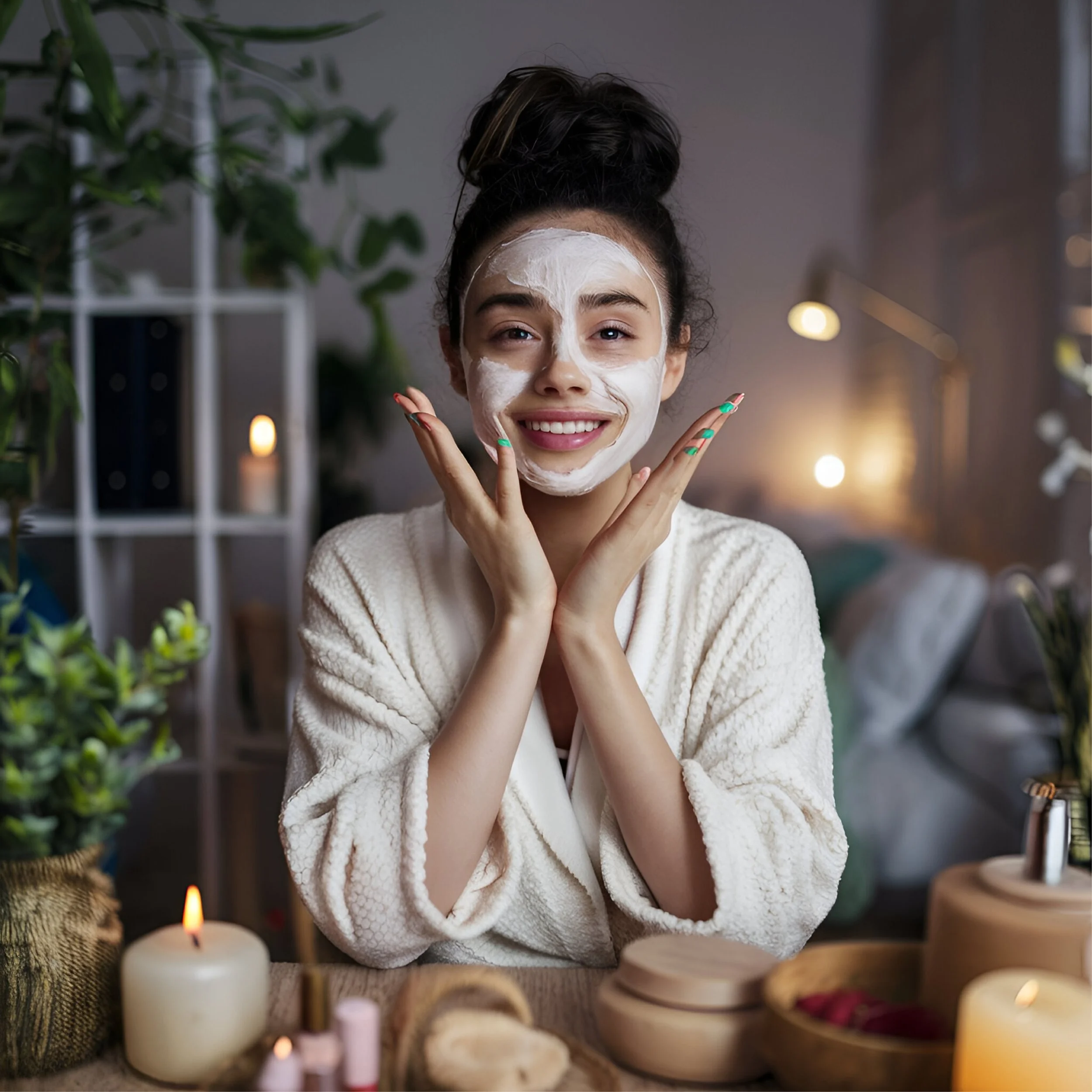
Using the proper skincare products is only one aspect of maintaining healthy, radiant skin. It all comes down to creating daily skin care routines that protect and nourish your skin. Your confidence is increased by having healthy skin, which also reflects your general health. You can avoid dryness, acne, early aging, and other skin issues by forming healthy skin habits.
1. Cleanse Your Skin Daily:
•Cleansing is the foundation of any skincare routine. It removes dirt, oil, makeup, and other impurities that can clog pores and lead to breakouts. Clean skin also allows your skincare products to absorb better, maximizing their effectiveness.
•How to Do It: Use a gentle, non-stripping cleanser suited to your skin type (e.g., foaming cleansers for oily skin, creamy cleansers for dry skin). Cleanse your face twice a day—once in the morning to remove oils and impurities that accumulate overnight, and once at night to clear away makeup and the day’s grime.
2. Exfoliate Regularly:
•Exfoliation removes dead skin cells that can accumulate on the surface and block pores. It promotes smoother, brighter skin and helps prevent breakouts. Exfoliating also stimulates skin renewal, improving skin texture over time.
•How to Do It: Choose an exfoliator based on your skin type—gentle chemical exfoliants (AHAs or BHAs) for sensitive skin, or physical exfoliants (scrubs or brushes) for more resilient skin. Exfoliate 1-3 times a week, depending on your skin’s needs.
3. Moisturize Daily:
•Moisturizing is a critical step to keep your skin hydrated, balanced, and protected. A good moisturizer prevents dryness, supports the skin barrier, and can help combat signs of aging. Even oily skin needs moisture, as lack of hydration can trigger more oil production.
•How to Do It: Apply a moisturizer suited for your skin type. Opt for lightweight, oil-free moisturizers for oily skin and thicker, richer creams for dry skin.
4. Use Sunscreen Every Day:
•Sun protection is one of the most important habits to protect your skin and prevent premature aging. UVA and UVB rays can damage your skin, leading to wrinkles, dark spots, and an increased risk of skin cancer. Wearing sunscreen daily helps prevent this.
•How to Do It: Use a broad-spectrum sunscreen with an SPF of at least 30 every day, even on cloudy days or when indoors, as UV rays can penetrate windows. Apply it generously to all exposed areas of the skin, including the neck, ears, and hands.
5.Hydrate Your Skin from the Inside Out:
•Skin hydration is not just about what you apply topically—it’s also about what you consume. Drinking enough water throughout the day helps maintain skin elasticity, flush out toxins, and supports overall skin health.
•How to Do It: Aim to drink at least 8 glasses of water a day. If you struggle with this, try setting reminders or adding flavor to your water (e.g., cucumber, lemon) to make it more appealing.
6. Get Enough Sleep:
•Sleep is essential for skin repair and regeneration. During sleep, your body works to repair damaged skin cells, produce collagen, and maintain skin health. Lack of sleep can lead to dull skin, dark circles, and even exacerbate skin conditions like acne.
•How to Do It: Aim for 7-9 hours of quality sleep each night. Create a relaxing bedtime routine to ensure restful sleep—limit screen time, meditate, or read a book before bed.
7.Manage Stress:
•Chronic stress can affect your skin, triggering flare-ups of acne, eczema, and other skin conditions. Stress increases the production of cortisol, a hormone that can lead to inflammation, breakouts, and premature aging.
•How to Do It: Practice stress-reducing activities like yoga, meditation, deep breathing, or even spending time outdoors. Regular physical activity also helps to reduce stress and improve overall well-being.
Conclusion:
Healthy, glowing skin doesn’t happen overnight—it’s the result of consistent habits and self-care. By following these simple skin habits—such as cleansing, moisturizing, protecting your skin from the sun, and maintaining a balanced diet—you can significantly improve your skin’s appearance and health. Keep in mind that skincare is not one-size-fits-all, so be patient and experiment to find what works best for your skin type and needs.
