
pore cleaning tips
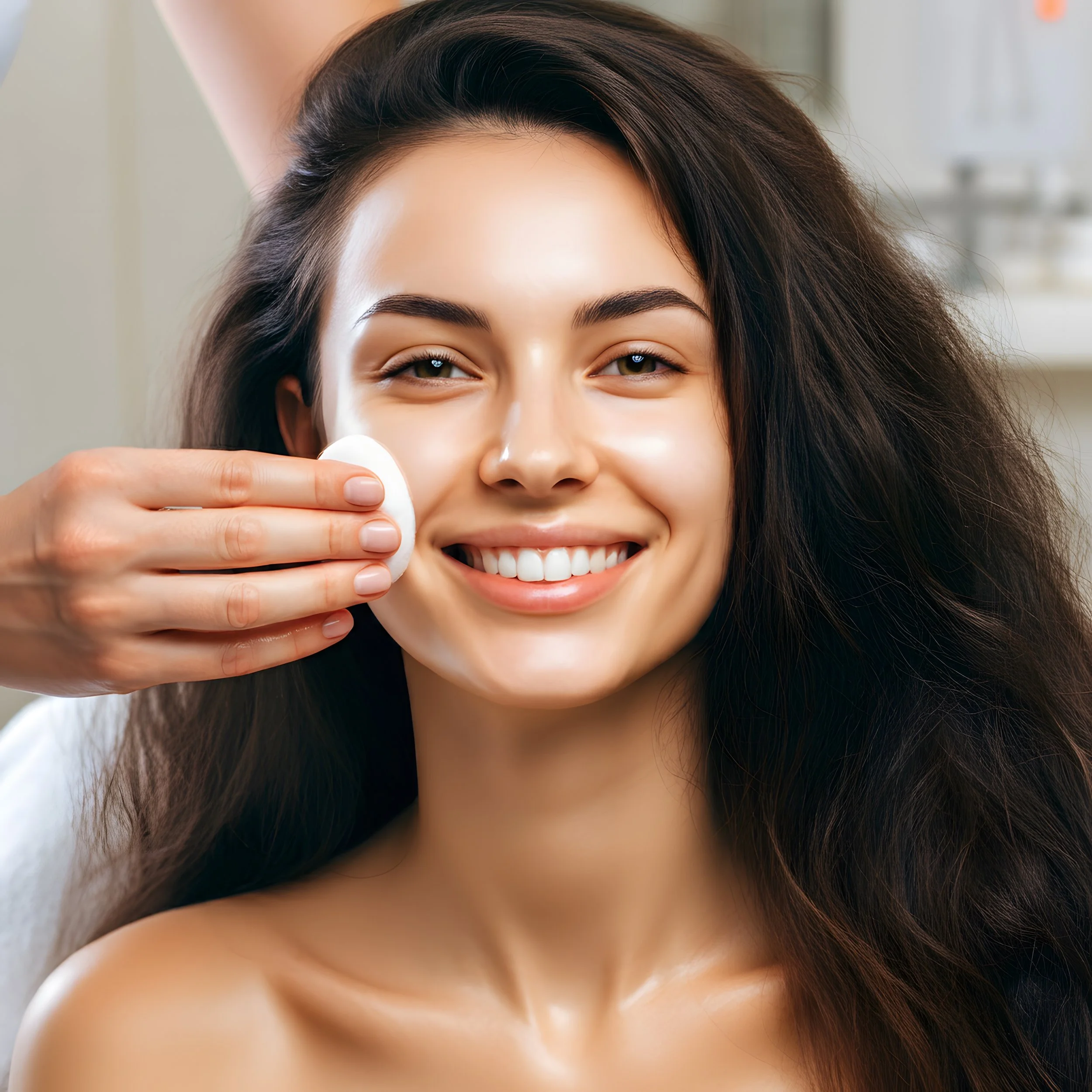
Pores are a natural and essential part of our skin’s structure, allowing sweat and oils to reach the surface. However, clogged pores can lead to breakouts, blackheads, and other skin concerns. Keeping your pores clean and clear is essential for healthy, glowing skin.
1. Regularly Cleanse Your Skin
One of the most basic yet crucial steps in pore cleaning is to cleanse your skin regularly. Cleansing helps remove excess oil, dirt, makeup, and other impurities that can clog pores. To prevent buildup, it's important to cleanse your skin twice a day—once in the morning and once before bed.
•Choose the Right Cleanser: Select a gentle cleanser that suits your skin type. For oily or acne-prone skin, opt for a foaming or gel-based cleanser that helps remove excess oil. For dry or sensitive skin, a hydrating or cream-based cleanser is more suitable.
•Avoid Harsh Scrubs: While exfoliating is important, using harsh physical scrubs can irritate the skin and exacerbate pore problems. Instead, opt for a gentle, chemical exfoliant like salicylic acid or glycolic acid, which can clean deep into the pores without causing inflammation.
2. Exfoliate Regularly:
Exfoliation is key to keeping pores clear by removing dead skin cells that can accumulate on the surface and clog pores. Regular exfoliation encourages cell turnover, leaving your skin smooth and radiant.
•Types of Exfoliants: There are two main types of exfoliants: physical and chemical. Physical exfoliants include scrubs with beads or particles that manually buff away dead skin, while chemical exfoliants use active ingredients like AHAs (alpha-hydroxy acids) and BHAs (beta-hydroxy acids) to dissolve dead skin cells and impurities.
•Salicylic Acid (BHA) is particularly effective for pore cleaning because it can penetrate deep into the pores and break down excess oil and debris.
•Glycolic Acid (AHA) works on the surface of the skin, promoting exfoliation and helping to unclog pores.
•Frequency: Exfoliate 2-3 times a week, depending on your skin type and the exfoliant you use. Over-exfoliating can irritate the skin and worsen pore problems.
3. Use Clay Masks for Deep Cleaning:
Clay masks are excellent for deep-cleaning the pores, as they help draw out excess oil and impurities from the skin. They are especially beneficial for those with oily or acne-prone skin, as they can reduce the appearance of large pores and improve the overall texture of the skin.
Types of Clay:
•Bentonite Clay and Kaolin Clay are popular options for pore-clearing masks. These clays have excellent oil-absorbing properties, making them ideal for reducing excess sebum and preventing clogged pores.
•Charcoal Masks can also be effective for pore cleaning because activated charcoal attracts and binds to dirt and toxins, helping to purify the skin.
•How to Use: Apply a thin layer of the mask to clean, dry skin, and leave it on for 10-15 minutes before rinsing off with warm water. Use once or twice a week for optimal results.
4. Keep Your Skin Hydrated:
Hydrated skin is less likely to produce excess oil, which can contribute to clogged pores. Drinking plenty of water and using a suitable moisturizer for your skin type can help maintain your skin’s moisture balance and prevent overproduction of sebum.
•Hydrating Ingredients: Look for moisturizers containing ingredients like hyaluronic acid, glycerin, or squalane, which help attract and retain moisture in the skin without clogging the pores.
•Avoid Over-Drying: While it’s important to control oil, over-drying the skin with harsh products can cause the skin to overcompensate by producing even more oil. This can lead to clogged pores and breakouts. Aim for a balanced skincare routine that hydrates and nourishes the skin.
5. Be Mindful of Makeup Removal:
Leaving makeup on overnight is one of the fastest ways to clog pores and cause breakouts. It's important to thoroughly remove makeup at the end of each day to ensure that your skin can breathe and regenerate while you sleep.
•Double Cleansing: If you wear makeup or sunscreen, consider using a two-step cleansing method. First, use an oil-based cleanser or micellar water to break down makeup and sunscreen, and then follow up with a gentle water-based cleanser to remove remaining impurities.
•Avoid Comedogenic Products: Choose non-comedogenic makeup products, which are designed to not clog pores. Look for foundations, primers, and concealers labeled "oil-free" or "non-comedogenic" to minimize the risk of pore blockages.
6. Try Retinoids or Retinol:
Retinoids, such as prescription-strength tretinoin or over-the-counter retinol, are powerful skincare ingredients that help unclog pores, reduce acne, and improve skin texture by speeding up cell turnover.
•How It Works: Retinol increases skin cell turnover, which helps prevent dead skin cells from accumulating in the pores. This also helps to reduce the appearance of enlarged pores and smooths the skin’s texture.
•How to Use: Introduce retinol into your skincare routine gradually. Start with a lower concentration and use it 2-3 times a week at night. Always follow up with sunscreen, as retinol can increase sun sensitivity.
7. Get Professional Treatments:
For persistent pore issues that don’t respond to at-home treatments, consider seeking professional help. Dermatologists and estheticians offer several treatments designed to deep-cleanse and minimize the appearance of pores.
•Chemical Peels: A professional chemical peel can exfoliate the skin more deeply, removing dead skin cells and unclogging pores.
•Microdermabrasion: This treatment uses tiny crystals to exfoliate the skin's surface, improving texture and reducing the appearance of large pores.
•Facials: Regular facials that focus on pore cleansing can help maintain clean pores and prevent breakouts.
8. Protect Your Skin with Sunscreen:
Sun exposure can damage the skin and cause pores to appear larger. Protecting your skin with sunscreen not only prevents sunburns but also helps maintain healthy skin and minimizes the appearance of pores over time.
•Broad-Spectrum SPF: Use a broad-spectrum sunscreen with SPF 30 or higher every day, even on cloudy days. This helps protect your skin from harmful UV rays that can contribute to skin aging, pigmentation, and enlarged pores.
9. Maintain a Healthy Diet:
Your diet plays a role in your skin’s health, including the condition of your pores. Eating a balanced diet rich in fruits, vegetables, whole grains, and healthy fats can help nourish your skin from the inside out.
•Foods to Incorporate: Focus on foods high in antioxidants, such as berries, leafy greens, and nuts, to protect the skin from oxidative stress. Omega-3 fatty acids found in fatty fish like salmon can also help reduce inflammation and promote healthy skin.
•Limit Processed Foods: High sugar and processed food intake can trigger inflammation and increase oil production, which can contribute to clogged pores.
Conclusion:
Keeping your pores clean is essential for maintaining clear, healthy skin. By following these pore-cleaning tips, such as regular cleansing, exfoliating, using clay masks, and maintaining a consistent skincare routine, you can prevent clogged pores and breakouts.
