
uses of mandelic acid
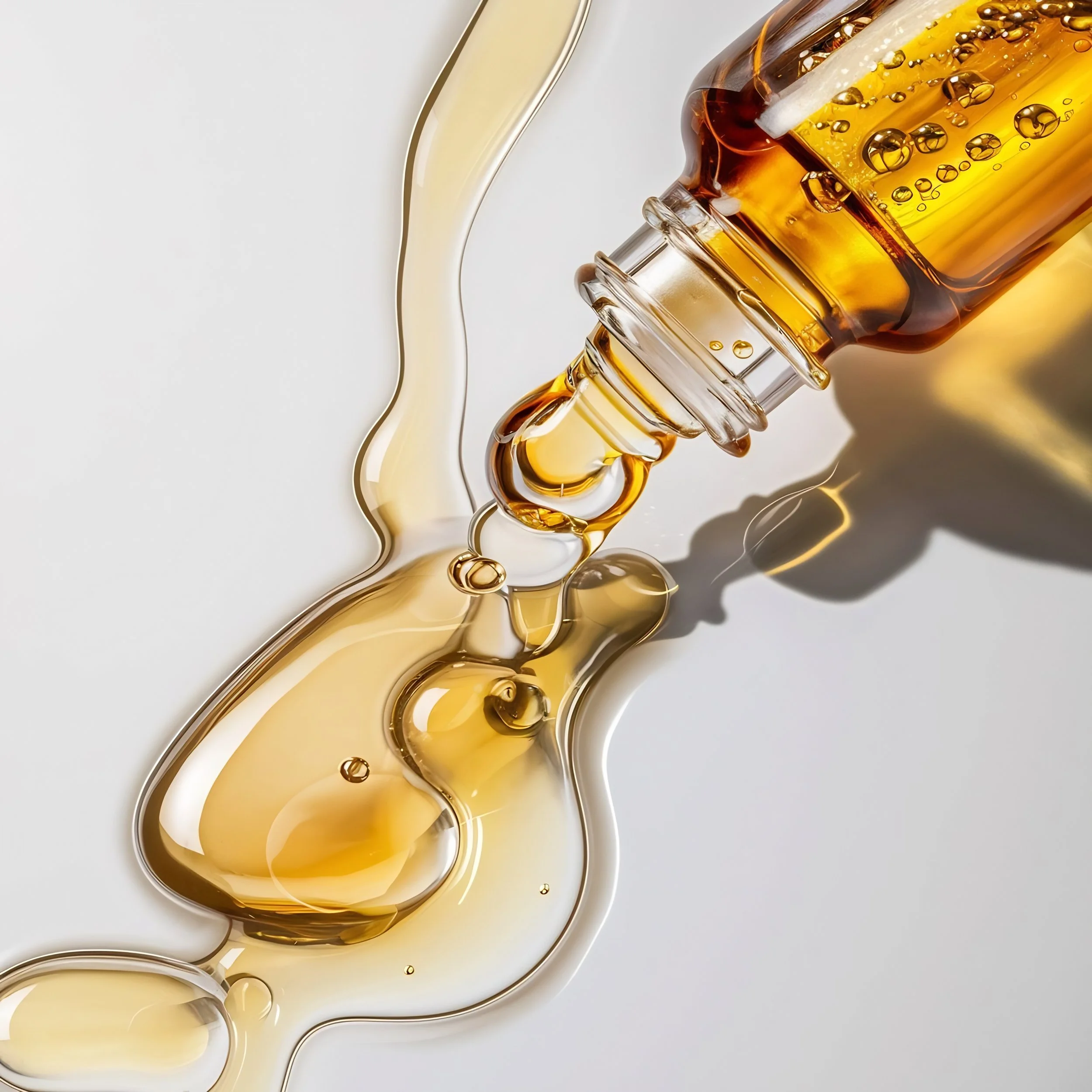
Mandelic acid, a lesser-known but highly effective alpha-hydroxy acid (AHA), has been gaining popularity in the skincare world for its gentle yet powerful exfoliating properties. Derived from bitter almonds, mandelic acid offers a wide range of skin benefits, from brightening and reducing fine lines to fighting acne and hyperpigmentation.
What is Mandelic Acid?
Mandelic acid is an AHA that is derived from bitter almonds. It belongs to the family of exfoliants known as fruit acids, which work by loosening the bonds between dead skin cells, allowing them to be sloughed off. This gentle exfoliation process reveals fresher, brighter skin and helps improve the overall texture of the skin. Unlike other AHAs like glycolic acid, mandelic acid has a larger molecular structure, which means it penetrates the skin more slowly, making it less likely to cause irritation and making it ideal for sensitive skin types.
1. Exfoliates and Improves Skin Texture:
One of the most common uses of mandelic acid is its ability to exfoliate the skin. By removing the buildup of dead skin cells, mandelic acid helps to smooth rough patches, improve skin texture, and reveal a more radiant complexion. Regular exfoliation also prevents clogged pores, reducing the chances of breakouts and blackheads.
Unlike harsher exfoliants, mandelic acid is gentler and causes less irritation, making it ideal for people with sensitive skin or those who are new to chemical exfoliation.
How It Works: Mandelic acid breaks down the bonds between dead skin cells, allowing them to shed more easily. This process reveals smoother, more even skin beneath the surface.
2. Treats Acne and Breakouts:
Mandelic acid is an effective treatment for acne-prone skin due to its antibacterial properties. It can penetrate the pores to help dissolve excess oil and debris that contribute to acne formation. Mandelic acid also has the ability to reduce inflammation and redness, which helps calm active breakouts.
How It Works: By gently exfoliating the skin and clearing out the pores, mandelic acid helps reduce the formation of comedones (blackheads and whiteheads) and other types of acne. Its antimicrobial properties can also target the acne-causing bacteria, Propionibacterium acnes, that reside in clogged pores.
3. Fights Hyperpigmentation and Dark Spots:
Hyperpigmentation, which includes dark spots, melasma, and post-inflammatory marks, is a common skin concern. Mandelic acid is known for its ability to help fade hyperpigmentation and promote a more even skin tone. By accelerating skin cell turnover, mandelic acid helps fade dark spots and discoloration over time, leaving the skin looking brighter and more radiant.
How It Works: Mandelic acid promotes the shedding of pigmented skin cells and encourages the production of new, healthy cells. This process can lighten hyperpigmented areas and reduce the appearance of discoloration caused by acne, sun damage, or aging.
4. Reduces Fine Lines and Wrinkles:
In addition to its exfoliating and skin-brightening properties, mandelic acid also has anti-aging benefits. By stimulating collagen production and promoting skin cell turnover, mandelic acid can reduce the appearance of fine lines and wrinkles over time. This helps to maintain skin’s elasticity, making it look firmer and smoother.
How It Works: The exfoliation process helps remove the outer layer of dead skin cells, allowing for the regeneration of new, youthful skin. Increased collagen production helps to improve the skin’s structure, reducing the visible signs of aging.
Regular use of mandelic acid can help rejuvenate the skin, giving it a more youthful and glowing appearance.
5. Improves Skin Radiance:
Mandelic acid is known for its ability to brighten the skin. Regular exfoliation helps reveal fresh, healthy skin underneath the layer of dead skin cells, resulting in a more luminous complexion. If your skin looks dull and tired, incorporating mandelic acid into your skincare routine can help restore a healthy glow.
How It Works: By removing the buildup of dead skin cells and promoting new cell growth, mandelic acid can reveal a more radiant complexion. It also helps to balance the skin’s texture, contributing to a smoother, glowing appearance.
People with dry or dull skin can particularly benefit from mandelic acid, as it helps increase hydration by improving the skin's ability to retain moisture.
6. Enhances Skin Tone and Texture:
Mandelic acid can help even out skin tone and improve overall skin texture. By encouraging the turnover of skin cells, it helps to reduce the appearance of uneven pigmentation, such as redness, sun spots, and age spots. The gentle exfoliation provided by mandelic acid also improves the texture of rough skin, leaving it feeling soft and smooth.
How It Works: Mandelic acid works by breaking down the bonds between skin cells, allowing for a more even skin tone and texture. It also helps to clear out pores, which improves the skin’s overall appearance.
7. Suitable for Sensitive Skin:
One of the standout features of mandelic acid is its gentleness compared to other AHAs. Because of its larger molecular size, mandelic acid penetrates the skin more slowly, causing less irritation and making it suitable for sensitive skin. It is often recommended for people with rosacea, sensitive or reactive skin, and those who find other acids too harsh.
How It Works: Its slow penetration reduces the likelihood of irritation and sensitivity, making it a great choice for those who struggle with other, stronger exfoliants.
Conclusion:
Mandelic acid is a versatile and gentle exfoliant with a host of benefits for the skin. Whether you’re dealing with acne, hyperpigmentation, fine lines, or dullness, mandelic acid can provide a natural solution to enhance your skin's radiance and texture. Its gentle nature makes it suitable for even sensitive skin types, making it an ideal choice for those looking for an effective yet non-irritating exfoliating acid.
