
Plant-Based Hair Color
Don’t worry about sounding professional. Sound like you. There are over 1.5 billion websites out there, but your story is what’s going to separate this one from the rest. If you read the words back and don’t hear your own voice in your head, that’s a good sign you still have more work to do.
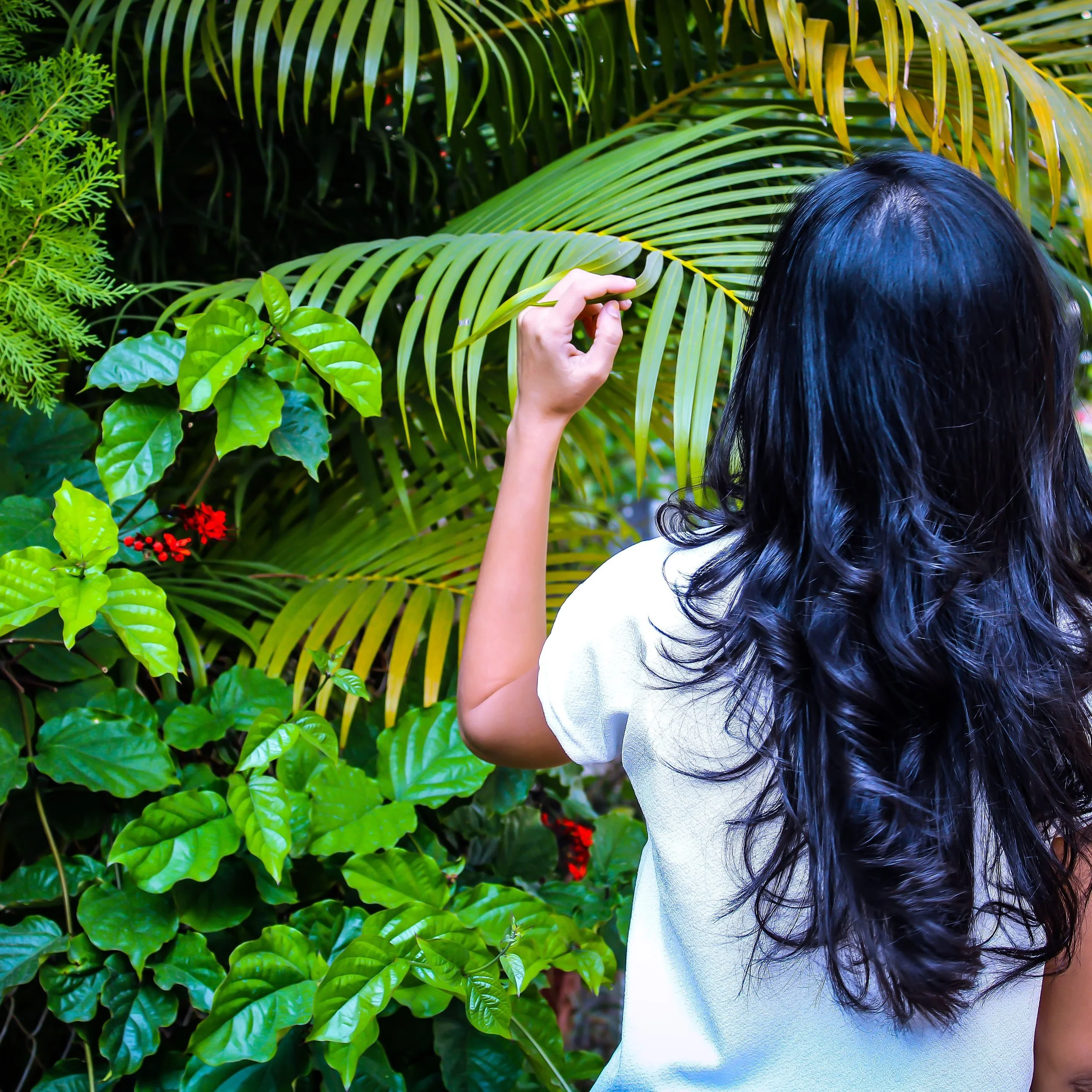
In a world increasingly aware of health and environmental issues, the beauty industry has seen a significant shift towards more natural and sustainable products. Among these, plant-based hair color has gained traction as a preferred choice for many. Unlike conventional hair dyes, which often contain harsh chemicals, plant-based options provide a gentler alternative that can nourish the hair while offering vibrant color. Here’s why you should consider making the switch to plant-based hair color.
1. Natural Ingredients for Healthier Hair
Plant-based hair colors are made from natural ingredients, such as herbs, flowers, and fruits, which are not only safe for your hair but also beneficial. Ingredients like henna, indigo, and chamomile have been used for centuries in various cultures for their coloring properties. These natural dyes tend to contain vitamins, minerals, and antioxidants that can enhance hair health, strengthen hair strands, and add moisture. For instance, henna not only provides a beautiful reddish-brown tint but also strengthens the hair and promotes growth. Similarly, indigo can deepen shades and works synergistically with henna to achieve different colors, while also conditioning the hair.
2. No Harsh Chemicals
One of the primary advantages of plant-based hair color is the absence of harmful chemicals commonly found in synthetic dyes. Many traditional hair colors contain ammonia, peroxide, and parabens, which can cause irritation, allergic reactions, and long-term damage to hair and scalp health. In contrast, plant-based hair dyes are free from these harsh ingredients, making them a safer choice, especially for those with sensitive skin or allergies.
3. Gentle on the Scalp
Because plant-based hair colors are made from natural ingredients, they are generally milder and less irritating than chemical dyes. Many users report fewer reactions and sensitivities when switching to natural hair color. This is especially important for individuals with scalp conditions or those who experience discomfort with traditional dyes.
4. Rich, Vibrant Colors
While some may think that plant-based colors offer limited shades, the reality is quite different. The range of colors available from natural sources is extensive. With a combination of different plants, you can achieve various shades from deep browns to vibrant reds and even subtle highlights. Moreover, these colors can provide a unique depth and dimension that synthetic dyes often lack.
5. Eco-Friendly Choice
Choosing plant-based hair color is not just good for your hair; it’s also beneficial for the environment. Many conventional hair dyes are made with synthetic chemicals that can harm aquatic life and pollute water sources. In contrast, plant-based dyes are biodegradable and often sourced from sustainable farms, making them a much more eco-friendly choice. By opting for natural hair color, you contribute to a healthier planet and support sustainable agriculture practices.
6. Conditioning Benefits
In addition to coloring your hair, plant-based dyes often contain conditioning properties. Ingredients like coconut oil, olive oil, and aloe vera are frequently included in these products to nourish and hydrate the hair. This means that in addition to achieving your desired color, you are also treating your hair, leaving it softer and more manageable.
7. Gradual Color Build-Up
Plant-based hair color typically works by gradually building up the color on your hair, rather than changing it all at once like conventional dyes. This means that your color will appear more natural and will blend more seamlessly with your hair. As a result, you may notice less noticeable regrowth, allowing for a more extended time between touch-ups.
8. Longer-Lasting Color
Although plant-based hair color may not be as permanent as some chemical dyes, it often lasts longer than many expect. Because these dyes adhere to the hair cuticle rather than penetrating deeply, they can provide vibrant color that endures over time. Regular touch-ups can help maintain the richness of the color.
9. Suitable for All Hair Types
Plant-based hair colors are generally suitable for all hair types, whether you have curly, straight, thick, or fine hair. They can enhance the natural texture and shine of your hair, making it appear healthier and more vibrant. Moreover, since they are often free from harsh chemicals, they are less likely to cause damage, making them a safer option for those who regularly color their hair.
10. Customized Solutions
Many plant-based hair color brands offer customizable options, allowing you to mix and match colors to create your desired shade. This can be particularly appealing for those looking for a unique color that reflects their personality. With natural ingredients, you have the freedom to experiment with different tones without the risk of harmful side effects.
Conclusion:
A Beautiful Transformation with Plant-Based Color. Choosing plant-based hair color is not just a trend; it’s a lifestyle choice that prioritizes health, sustainability, and individuality. By opting for these natural alternatives, you can achieve beautiful, vibrant hair while nourishing and protecting your strands. As more people recognize the benefits of plant-based dyes, the beauty industry continues to evolve, offering more options that cater to the conscious consumer.
