
Tanninoplastia Hair Straightening
Don’t worry about sounding professional. Sound like you. There are over 1.5 billion websites out there, but your story is what’s going to separate this one from the rest. If you read the words back and don’t hear your own voice in your head, that’s a good sign you still have more work to do.
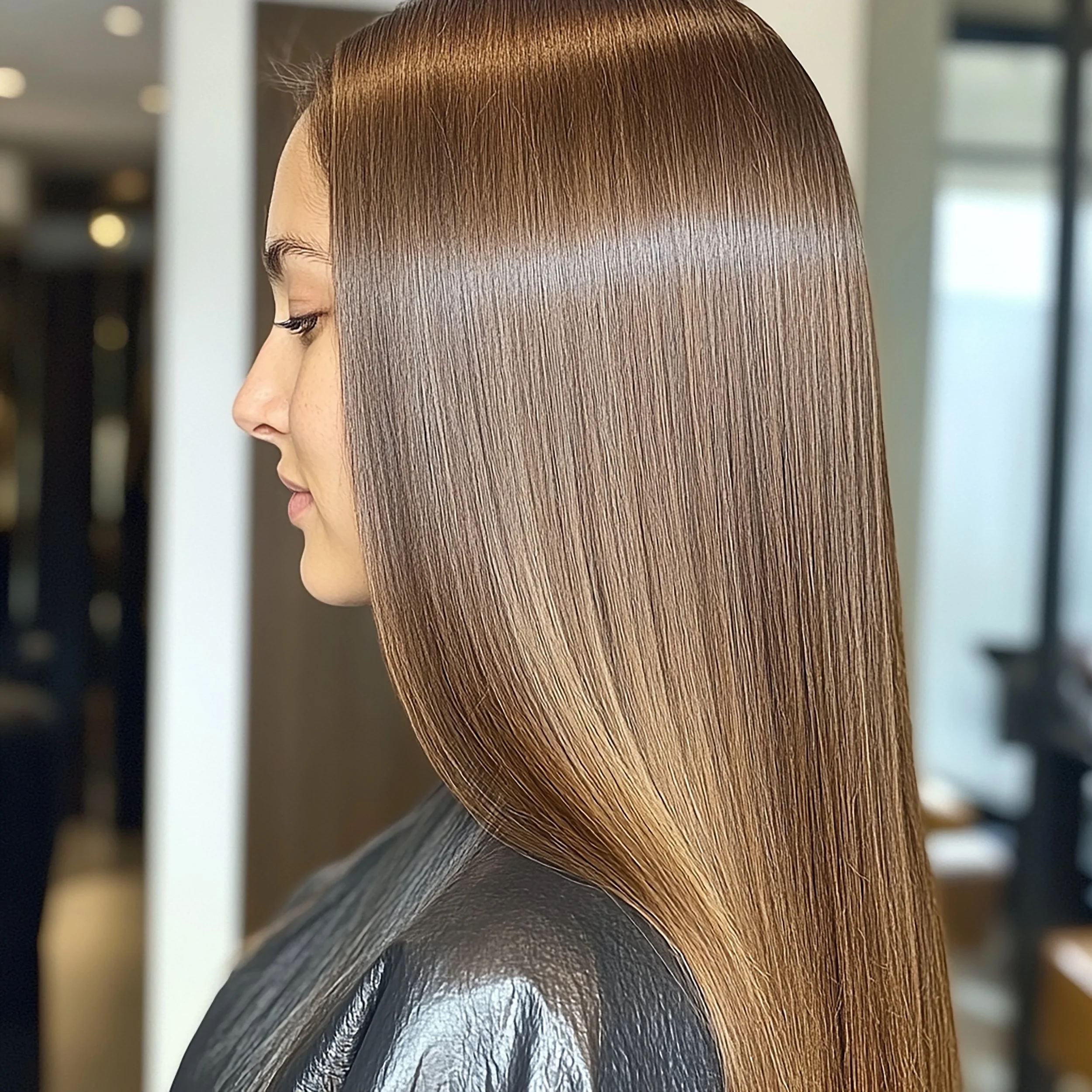
If you’re looking for a hair straightening treatment that’s effective yet gentle on your hair, Tanninoplastia might be the perfect solution. Unlike traditional hair straightening methods, which rely on harsh chemicals, Tanninoplastia uses natural ingredients to straighten, smooth, and nourish your hair. Here’s everything you need to know about this revolutionary hair treatment.
What is Tanninoplastia?
Tanninoplastia is a hair straightening treatment that utilizes tannins, a class of polyphenols found in plants like grapes, pomegranates, and chestnuts. Tannins have antioxidant and anti-inflammatory properties, and when used in hair treatments, they help to straighten and repair the hair without the use of harmful chemicals like formaldehyde, which is commonly found in other straightening methods like Brazilian blowouts. This treatment works by forming a protein network around the hair, restructuring and reshaping the hair strands. It effectively smooths and straightens the hair, leaving it shiny, frizz-free, and more manageable. One of the key benefits of Tanninoplastia is that it’s suitable for all hair types and textures, including colored and chemically treated hair.
How Does Tanninoplastia Work?
The process of Tanninoplastia involves applying a tannin-based product to the hair, which penetrates deeply into the hair fiber. Tannins bind with the keratin in your hair to create a flexible but strong bond that restructures the hair’s shape. After the treatment is applied, the hair is sealed with heat using a flat iron, which helps to lock in the treatment and leave the hair smooth and straight. The treatment typically lasts between two to four hours, depending on your hair’s length and thickness, and the results can last for up to 6 months with proper aftercare.
Key Benefits of Tanninoplastia:
1. Formaldehyde-Free: One of the biggest advantages of Tanninoplastia is that it is free from formaldehyde, a common ingredient in many hair straightening treatments that has been linked to health concerns. Tanninoplastia uses natural ingredients, making it a safer alternative for those who want to avoid harsh chemicals.
2. Gentle on the Hair: Unlike traditional straightening treatments that can leave your hair dry and brittle, Tanninoplastia is gentle and nourishing. It restructures the hair from within, improving its health and texture rather than damaging it.
3. Long-Lasting Results: With proper maintenance, the results of Tanninoplastia can last up to 6 months, making it a long-lasting solution for frizzy or unruly hair.
4. Suitable for All Hair Types: Whether your hair is curly, wavy, or straight, Tanninoplastia works on all hair textures. It can also be used on color-treated or previously chemically straightened hair without causing further damage.
5. No Frizz: One of the most appealing benefits of this treatment is that it eliminates frizz, even in humid conditions. Your hair will remain smooth, sleek, and shiny regardless of the weather.
6. Improved Hair Health: Because tannins are rich in antioxidants, they help to repair and protect the hair from damage. Over time, you’ll notice your hair becoming healthier, stronger, and shinier.
The Tanninoplastia Process: Step-by-Step:
1. Consultation: Before undergoing a Tanninoplastia treatment, you’ll likely have a consultation with your stylist to assess your hair type and condition. This helps the stylist determine the best approach to your treatment.
2. Hair Washing: Your hair will be washed with a clarifying shampoo to remove any product buildup and prepare the hair for the treatment.
3. Application of Tanninoplastia Product: The tannin-based formula is applied evenly to your hair, section by section. This ensures that every strand is coated with the treatment for consistent results.
4. Heat Activation: Once the product is applied, your hair is straightened using a flat iron. The heat helps to activate the tannins, binding them with the keratin in your hair and restructuring the hair fibers. This step is crucial for achieving long-lasting smoothness and shine.
5. Rinse and Blow-Dry: After the heat activation, your hair is rinsed and blow-dried to reveal the final results. Your hair will be visibly smoother, shinier, and straighter.
6. Final Styling: Once the treatment is complete, your stylist will give your hair a final style. You can leave the salon with perfectly straight and silky hair.
Aftercare for Tanninoplastia Treatment:
To maintain the results of your Tanninoplastia treatment, proper aftercare is essential. Here are some tips to help prolong the effects:
• Use Sulfate-Free Shampoos: Sulfates can strip your hair of the treatment, causing the results to fade faster. Always opt for sulfate-free shampoos and conditioners to keep your hair smooth and straight.
• Minimize Heat Styling: Although your hair will already be smooth and frizz-free, excessive use of heat styling tools can damage the treatment over time. If you do use heat, always apply a heat protectant spray to prevent damage.
• Hydrate Your Hair: Tanninoplastia works best when your hair is well-nourished and hydrated. Use a moisturizing hair mask or deep conditioner once a week to keep your hair soft and shiny.
• Avoid Chlorine and Saltwater: Chlorine from swimming pools and saltwater from the ocean can strip the treatment from your hair. If you’re going swimming, try to protect your hair by wearing a swim cap or applying a protective hair serum beforehand.
Tanninoplastia vs. Other Hair Straightening Methods:
There are several types of hair straightening treatments available, but Tanninoplastia stands out for its natural approach. Here’s how it compares to other methods:
• Tanninoplastia vs. Brazilian Blowout: Both treatments straighten and smooth the hair, but Tanninoplastia is formaldehyde-free, making it a safer option. Brazilian blowouts can emit formaldehyde when heated, which can be a health concern for some people.
• Tanninoplastia vs. Keratin Treatment: Keratin treatments also smooth and straighten the hair, but they often contain chemicals that can weaken the hair over time. Tanninoplastia, on the other hand, strengthens the hair and improves its health while straightening it.
• Tanninoplastia vs. Japanese Hair Straightening: Japanese hair straightening permanently straightens the hair by breaking down its structure with strong chemicals. Tanninoplastia offers a more natural approach that doesn’t alter the hair’s internal structure, making it less damaging.
Who Should Get Tanninoplastia?
Tanninoplastia is ideal for anyone looking for a long-lasting straightening solution without the use of harmful chemicals. It’s especially beneficial for:
• People with curly or wavy hair who want smooth, frizz-free results.
• Individuals with damaged or dry hair who want to improve their hair’s health while achieving straightness.
• Those who want a formaldehyde-free alternative to traditional straightening treatments.
Conclusion:
Tanninoplastia is a revolutionary hair straightening treatment that offers smooth, shiny, and frizz-free results using natural ingredients. Unlike other treatments that rely on harsh chemicals, Tanninoplastia nourishes and repairs the hair while straightening it, making it a healthier alternative. With long-lasting results, it’s an excellent option for those seeking a safe, effective way to achieve sleek, straight hair.
