
advantages of peeling
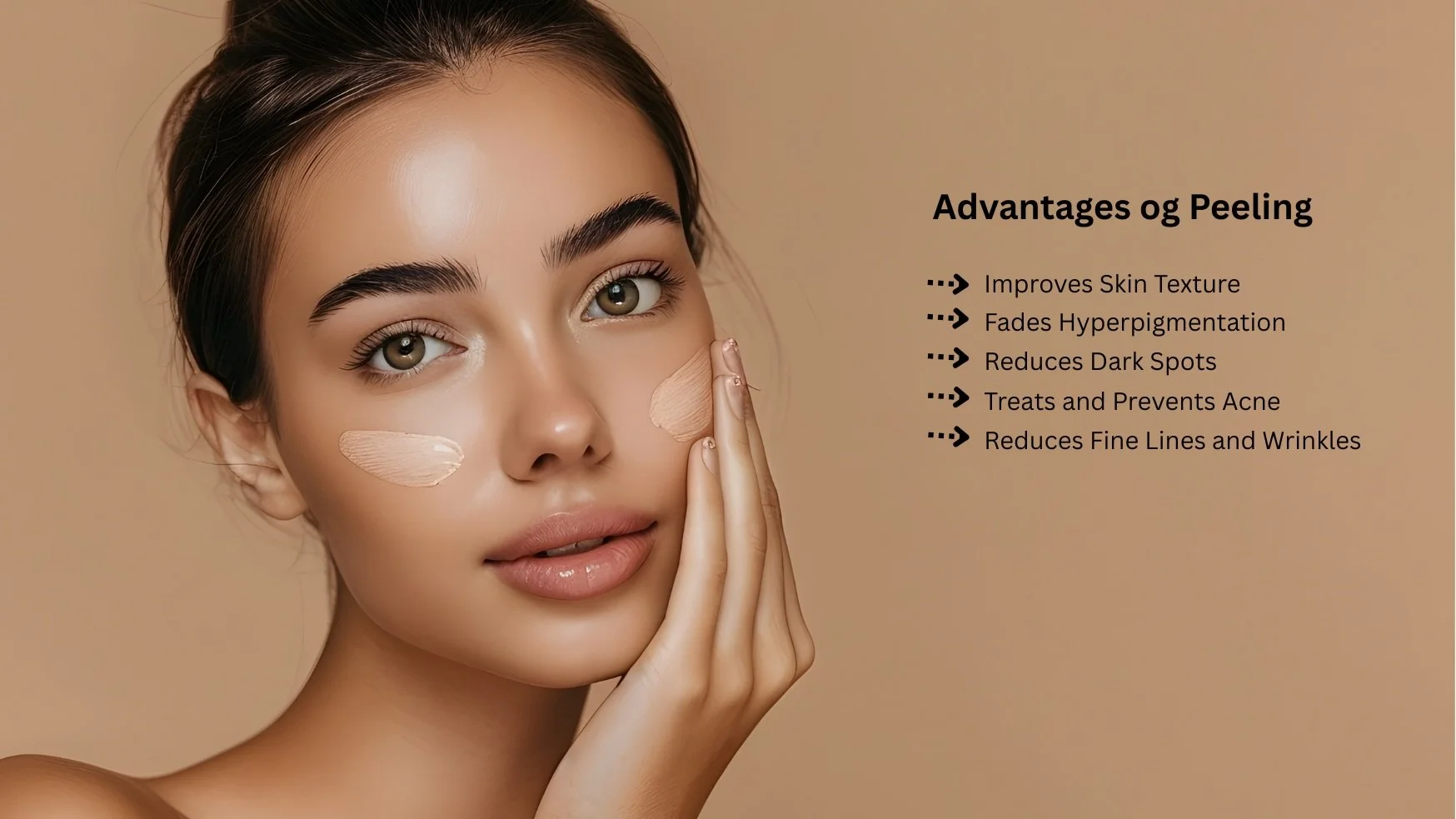
Peeling is a popular skincare treatment designed to exfoliate the skin by removing dead skin cells from the surface, revealing smoother, brighter, and healthier skin beneath. Whether done at home with over-the-counter products or professionally through chemical peels, peeling offers numerous benefits for various skin types and concerns. Regular exfoliation, including peeling treatments, helps to keep the skin looking youthful, vibrant, and free of blemishes.
What is Peeling?
Peeling refers to the process of removing the outermost layers of the skin. It works by promoting the natural exfoliation process, in which dead skin cells are shed to make room for new skin. There are two primary types of peeling:
•Physical Peels: These include scrubs and exfoliating devices that physically slough off dead skin cells.
•Chemical Peels: These involve the application of chemical solutions, such as glycolic acid or salicylic acid, that dissolve dead skin cells and promote the regeneration of new skin.
Advantages of Peeling:
1. Improves Skin Texture
•One of the most noticeable benefits of peeling is its ability to smooth out the skin’s texture. By removing the buildup of dead skin cells, peeling helps to reveal the newer, smoother skin beneath. This is especially beneficial for people with rough or uneven skin, as it promotes a more polished, glowing complexion.
Why it Helps: The removal of dead cells allows fresh skin to emerge, creating a soft, even surface. Regular exfoliation can prevent clogged pores and reduce the appearance of bumps or rough patches.
2. Reduces Fine Lines and Wrinkles
•Peeling is an effective anti-aging treatment. It stimulates collagen production, which is essential for maintaining skin’s elasticity and firmness. As you age, collagen production naturally decreases, leading to the formation of fine lines and wrinkles. By encouraging the skin to regenerate, peeling helps to reduce the visibility of these signs of aging.
Why it Helps: The exfoliating process increases cell turnover and promotes the growth of new, healthier skin cells, leading to the reduction of fine lines and wrinkles over time.
3. Fades Hyperpigmentation and Dark Spots
•Hyperpigmentation, including dark spots, sun spots, and melasma, is a common skin concern. Peeling helps to brighten the complexion by removing discolored, damaged skin cells and promoting the regeneration of more even-toned skin.
Why it Helps: Chemical peels, in particular, target the skin’s pigmentation and can lighten dark spots and uneven skin tone. They work by accelerating skin cell turnover, which helps to fade areas of discoloration over time.
4. Treats and Prevents Acne
•Peeling can be highly effective for individuals prone to acne. It helps unclog pores by removing the dead skin cells that can block them, reducing the likelihood of breakouts. Additionally, certain chemical peels, such as those containing salicylic acid, have antibacterial properties that can help treat active acne and reduce inflammation.
Why it Helps: By exfoliating the skin and preventing clogged pores, peeling can help to reduce the formation of acne and clear up existing blemishes.
5. Minimizes Pore Size
•Enlarged pores are often caused by clogged debris, oil buildup, and aging. Regular peeling can help to cleanse pores, reducing their appearance and making them appear smaller and less noticeable.
Why it Helps: Peeling promotes the turnover of skin cells and removes the buildup inside pores, which can contribute to their enlargement. As pores become cleaner, they appear tighter and less visible.
6. Increases Skin Radiance and Glow
•Exfoliating the skin regularly leads to a brighter and more luminous complexion. As dead skin cells are removed, light can reflect more evenly off the skin's surface, giving it a fresh and healthy glow. This is especially beneficial for people with dull or lackluster skin.
Why it Helps: Removing dead skin cells allows newer, more vibrant skin to shine through, helping to restore that youthful glow. Chemical peels with alpha hydroxy acids (AHAs) and beta hydroxy acids (BHAs) are particularly good for brightening the skin.
7. Boosts Skincare Product Absorption
•After a peel, the skin’s surface is smoother, and the pores are clearer, which means that skincare products can penetrate more deeply and effectively. This means moisturizers, serums, and treatments can be better absorbed, providing greater results.
Why it Helps: When the skin is exfoliated, the absorption rate of active ingredients is increased. This makes your daily skincare products, such as hydrating creams and anti-aging serums, work more effectively.
8. Reduces Sun Damage
•Over time, sun exposure can cause skin damage, such as sunburns, age spots, and wrinkles. Peeling helps to repair the skin by removing the top layers of damaged skin, which can fade sun spots and other signs of UV damage.
Why it Helps: Peels, especially those that contain glycolic acid or other AHAs, can help reduce the visible effects of sun damage by speeding up cell turnover and helping the skin regenerate more quickly.
Conclusion:
Peeling is a powerful skincare treatment that can lead to smoother, brighter, and more youthful skin. Whether used to reduce fine lines, combat acne, or improve skin texture, peeling offers significant benefits for a variety of skin concerns. By removing dead skin cells and promoting healthy skin regeneration, peeling can help achieve clearer, more radiant skin.
