
effects of retinol on skin
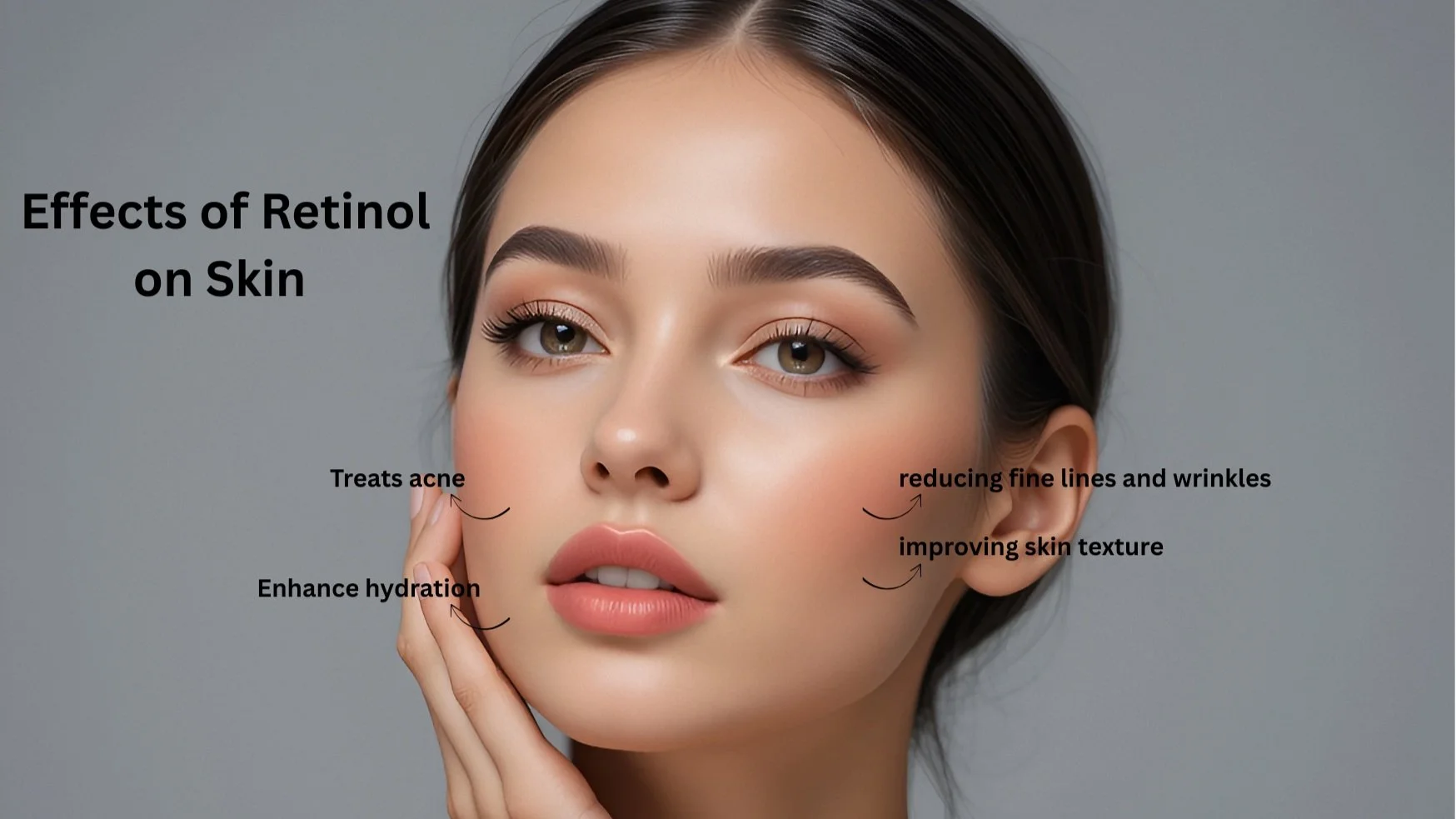
Because of its potent benefits on the skin, retinol, a type of vitamin A, is one of the most well-known components in skincare products. Retinol provides many advantages, whether it is used to even out skin tone, lessen acne, or fight aging signs. To utilize it properly and securely, it's crucial to comprehend both its benefits and any drawbacks, just like with any active substance.
How Retinol Works:
Retinol is a fat-soluble vitamin that helps regulate cell turnover and encourages the production of new skin cells. When applied topically, it penetrates deep into the skin to stimulate the production of collagen and elastin—two essential proteins that help maintain skin elasticity and smoothness. Retinol also helps to speed up the skin's natural exfoliation process, promoting a fresher and more youthful complexion.
Effects of Retinol:
1.Skin Irritation and Dryness:
•What Happens: Retinol can cause initial irritation, redness, and dryness, especially for those with sensitive skin. This is because retinol accelerates the shedding of dead skin cells, which can leave the skin more vulnerable and prone to irritation during the first few weeks of use.
•How to Minimize: To avoid irritation, start with a lower concentration of retinol and gradually increase the strength over time. Also, be sure to moisturize your skin adequately and avoid using retinol on broken or irritated skin.
2.Peeling and Flaking:
•What Happens: As retinol increases cell turnover, it can cause peeling or flaking of the skin in the first few weeks of use. This is a sign that the skin is adjusting to the product and regenerating itself.
•How to Minimize: This is a common temporary side effect, but it can be minimized by using retinol every other night at first and pairing it with a good hydrating moisturizer.
3.Increased Sensitivity to Sun Exposure:
•What Happens: Retinol can increase the skin’s sensitivity to the sun, making it more prone to sunburns or sun damage. This is because retinol accelerates cell turnover and thins the outer layer of the skin, which can make it more vulnerable to UV rays.
•How to Minimize: Always apply sunscreen with SPF 30 or higher during the day, even if you’re indoors. It’s essential to protect your skin from harmful UV rays when using retinol.
4.Not Suitable for Pregnant or Breastfeeding Women:
•What Happens: Retinol (and other forms of Vitamin A, such as retinoids) can be harmful during pregnancy and breastfeeding, potentially leading to birth defects.
•How to Minimize: Women who are pregnant or breastfeeding should avoid using retinol products. Instead, opt for gentler alternatives like niacinamide or vitamin C to address skin concerns.
How to Incorporate Retinol into Your Skincare Routine:
•Start Slow: If you're new to retinol, begin by using it 2-3 times per week at night and gradually increase the frequency as your skin builds tolerance. This will help reduce the risk of irritation.
•Use Pea-Sized Amounts: Apply a small amount (about a pea-sized amount) to your entire face, avoiding the delicate areas around the eyes and mouth unless specified on the product label.
•Use in the Evening: Since retinol can increase your skin's sensitivity to the sun, it’s best to use it at night before bed. Apply it after cleansing and before moisturizing.
•Pair with Hydrating Products: To combat potential dryness, make sure to follow up with a hydrating moisturizer after applying retinol. Using a gentle, nourishing moisturizer can help keep the skin hydrated and minimize irritation.
•Wear Sunscreen: Daily sun protection is essential when using retinol. Choose a broad-spectrum sunscreen with SPF 30 or higher to protect your skin from UV damage.
Conclusion:
Retinol is a powerhouse ingredient in skincare, offering a wide range of benefits for improving skin texture, reducing signs of aging, treating acne, and fading dark spots. While it can lead to some initial dryness and irritation, these side effects are typically temporary and can be managed by introducing the product gradually and following proper skincare practices. With consistent use, retinol can lead to smoother, clearer, and more youthful-looking skin.
