
face mask according to skin type
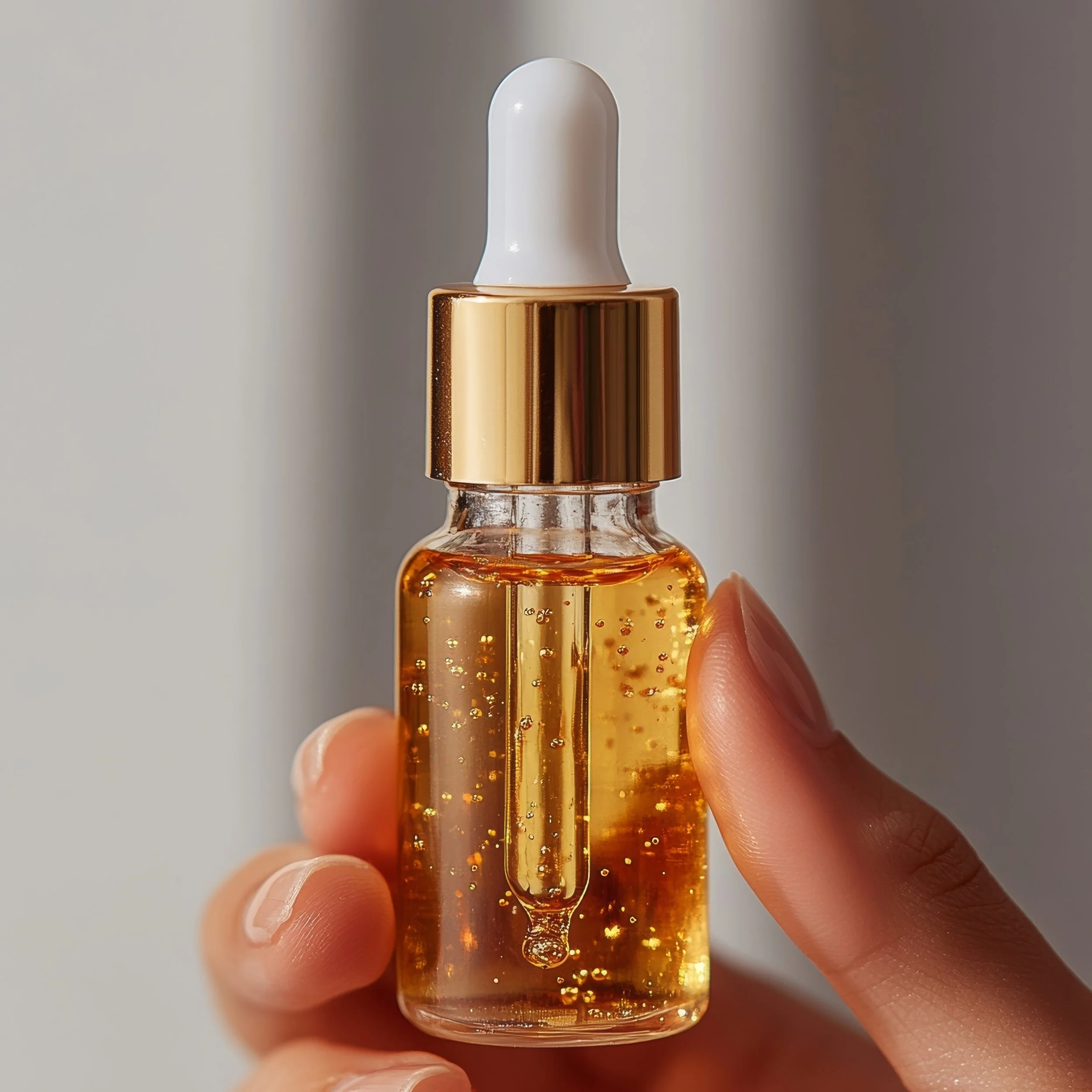
A facial mask is a thick, creamy application designed for the face aimed at cleansing or smoothing the skin. These facial masks usually include minerals, vitamins, and fruit extracts like cactus and cucumber. A sheet mask refers to a piece made from paper, cellulose, or fabric that is used to apply a facial mask.
Benefits of Medi Face Masks:
•Targeted Treatment: Formulated to address concerns like acne, dryness, sensitivity, or aging.
•Enhanced Penetration: Active ingredients penetrate deeper into the skin for effective results.
•Quick Results: Provides visible improvements in skin texture and appearance within a short time.
•Hydration and Nourishment: Delivers intense hydration and nutrients to revive dull or stressed skin.
•Relaxation: Using a medi face mask can be a therapeutic experience, enhancing self-care routines.
Types of Medi Face Masks:
1.Clay Masks:
•Ideal for oily and acne-prone skin.
•Draws out impurities, reduces oil, and minimizes pores.
2.Sheet Masks:
•Infused with serums for hydration, brightening, or soothing effects.
•Suitable for all skin types, especially sensitive or dry skin.
3.Gel Masks:
•Lightweight and hydrating, perfect for dry or irritated skin.
•Contains soothing ingredients like aloe vera or hyaluronic acid.
4.Peel-Off Masks:
•Removes dead skin cells and impurities.
•Best for detoxifying and achieving smoother skin.
5.Overnight Masks:
•Designed to work while you sleep.
•Provides deep hydration and repair for dry or aging skin.
Skin concerns :
1 . For Oily and Acne-Prone Skin:
Key Concerns: Excess oil, clogged pores, acne, and shine.
Ingredients:
•Clay or Charcoal: Absorbs excess oil and detoxifies the skin.
•Salicylic Acid: Penetrates pores to reduce acne and inflammation.
•Tea Tree Oil: Natural antibacterial properties to combat acne.
•Mask: Medi masks with bentonite or kaolin clay, infused with salicylic acid, are excellent for deep cleansing and reducing acne flare-ups
2 . For Dry Skin:
Key Concerns: Flakiness, tightness, dullness, and lack of hydration.
Ingredients:
•Hyaluronic Acid: Intense hydration and moisture retention.
•Ceramides: Strengthen the skin barrier.
•Shea Butter or Glycerin: Nourish and deeply moisturize the skin.
•Mask: Creamy medi masks with hydrating agents and soothing botanicals for replenishing moisture and alleviating dryness.
3 . For Sensitive Skin:
Key Concerns: Redness, irritation, and skin reactions.
Ingredients:
•Aloe Vera: Calms irritation and reduces redness.
•Centella Asiatica: Soothes sensitive skin and supports healing.
•Chamomile Extract: Anti-inflammatory and gentle.
•Mask: Medi masks labeled hypoallergenic with calming agents like aloe or oat extracts.
4 . For Combination Skin:
Key Concerns: Oily T-zone and dry cheeks.
Ingredients:
•Niacinamide: Balances oil production while hydrating dry areas.
•Vitamin E: Offers hydration and protection.
•Multimasking: Use different masks for specific areas (e.g., clay for T-zone and hydrating masks for dry areas).
•Mask: Medi masks with balancing properties or suitable for all skin types.
5 . For Mature and Aging Skin:
Key Concerns: Fine lines, wrinkles, loss of elasticity, and dullness.
Ingredients:
•Retinol: Stimulates collagen production and smoothens fine lines.
•Peptides: Boost skin’s firmness and elasticity.
•Vitamin C: Brightens skin tone and reduces age spots.
•Mask: Anti-aging medi masks with antioxidants and firming agents to rejuvenate the skin.
6 . For Normal Skin:
Key Concerns: Maintaining balance and radiance.
Ingredients:
•Vitamin E: Provides hydration and nourishment.
•Antioxidants: Protect from environmental damage.
•Botanical Extracts: Enhance glow and maintain healthy skin.
•Mask: Medi masks with gentle exfoliating or hydrating properties to maintain skin health.
