
causes of acne
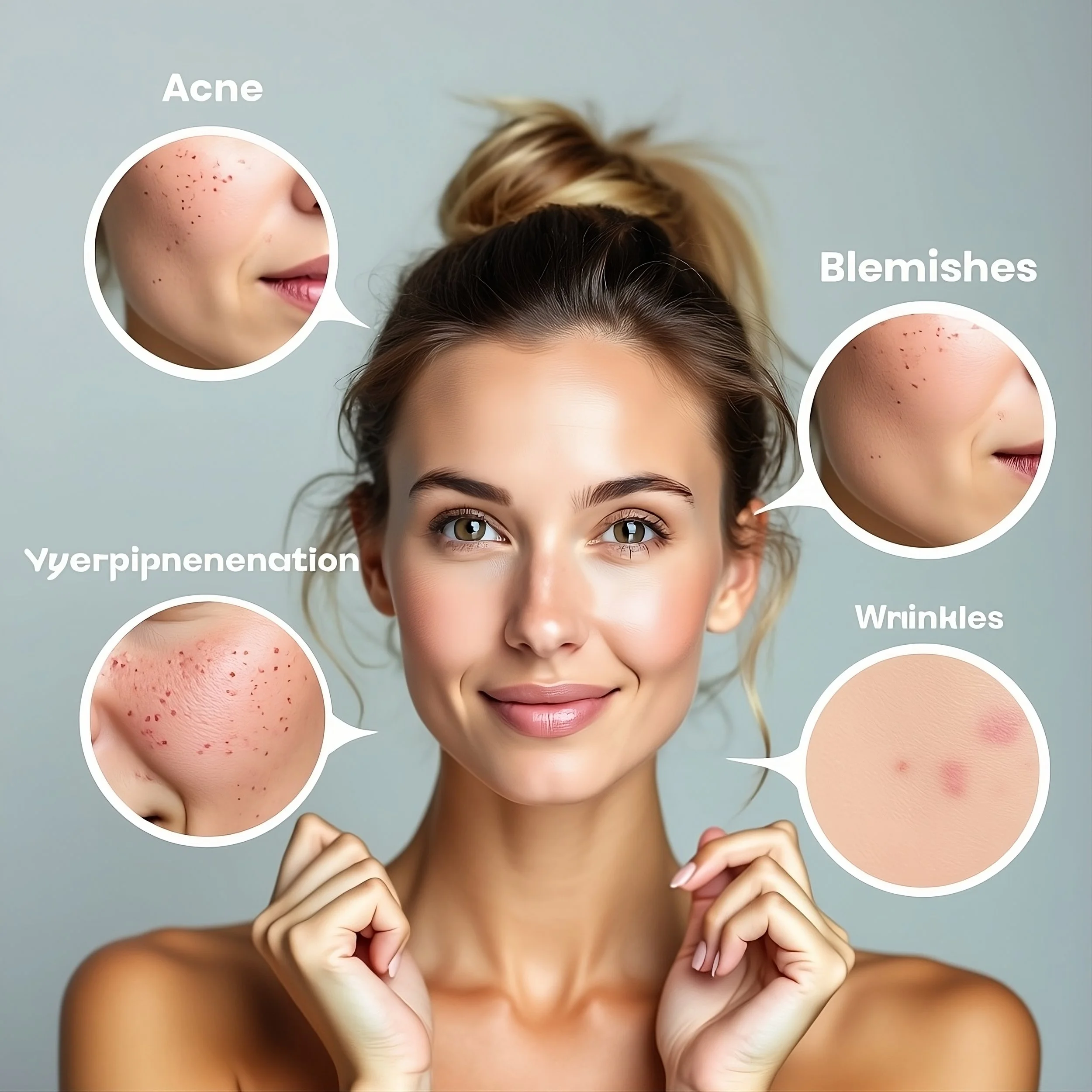
Acne is one of the most common skin conditions that affects people of all ages, particularly teenagers and young adults. It occurs when hair follicles become clogged with oil, dead skin cells, and sometimes bacteria, leading to inflammation and the formation of pimples, blackheads, and cysts. While acne is often associated with adolescence, it can affect individuals well into adulthood. Understanding the root causes of acne is crucial in preventing and managing breakouts.
1. Hormonal Changes:
One of the most significant contributors to acne is hormonal changes, which is why acne often appears during puberty, menstruation, pregnancy, or even while using birth control. Hormones, especially androgens, which are male hormones present in both men and women, increase during these life stages. These hormones stimulate the sebaceous (oil) glands in the skin to produce more sebum, which can clog pores and create an environment that allows bacteria to thrive, leading to acne.
•Puberty: During adolescence, increased levels of androgens lead to enlarged sebaceous glands, resulting in increased oil production and acne.
•Menstruation: Many women experience breakouts around their menstrual cycle due to hormonal fluctuations.
•Pregnancy and Birth Control: Pregnancy and certain birth control methods can also influence hormone levels, which may trigger or worsen acne.
2. Excess Oil Production (Sebum):
•Sebum, the natural oil produced by the skin’s sebaceous glands, is essential for keeping the skin moisturized and protected. However, when too much sebum is produced, it can mix with dead skin cells and clog hair follicles, creating an environment where bacteria can thrive. This blockage leads to the formation of comedones (blackheads and whiteheads), which can develop into inflamed pimples or cysts.
•Excessive oil production can be influenced by genetics, hormonal fluctuations, or external factors such as the use of oily skincare products.
3. Clogged Pores and Dead Skin Cells:
•The skin is constantly renewing itself, and as old skin cells die, they naturally shed off. However, if the process of shedding is disrupted, dead skin cells can accumulate on the skin’s surface, contributing to clogged pores. These trapped dead cells, when combined with excess oil, can form a plug inside hair follicles. When bacteria infect the plug, it results in acne.
•Certain factors, like the improper use of skincare products, not cleansing the face thoroughly, or using harsh exfoliants, can exacerbate this buildup of dead skin cells, making acne worse.
4. Bacterial Growth (Propionibacterium acnes):
•The skin naturally hosts various bacteria, including Propionibacterium acnes, a bacterium that thrives in blocked hair follicles. When pores are clogged with oil and dead skin cells, these bacteria proliferate, causing inflammation and triggering acne. The immune system responds to the bacterial overgrowth by sending white blood cells to fight the infection, which leads to the characteristic redness, swelling, and pus-filled pimples seen in acne.
•While P. acnes bacteria is present in everyone’s skin, its growth is more likely to be problematic when pores are blocked and there is an excess of oil production.
5. Diet and Nutrition:
•Although the direct link between diet and acne is still debated, some studies suggest that certain foods may exacerbate acne for certain individuals. Foods with a high glycemic index, such as sugary snacks, refined carbohydrates (white bread, pasta), and processed foods, can cause blood sugar spikes and increase insulin levels. This, in turn, may stimulate the production of more oil in the skin, contributing to acne.
•Dairy products have also been implicated in acne development for some people, as they may influence hormonal activity and lead to increased sebum production. While more research is needed in this area, some individuals find that cutting back on dairy or high-sugar foods helps improve their acne.
6. Stress:
•Stress is another significant factor that can trigger or worsen acne. When you’re stressed, the body produces higher levels of cortisol, a hormone that stimulates the sebaceous glands to produce more oil. This excess oil can clog pores, leading to acne breakouts. Additionally, stress can weaken the immune system, making it harder for the body to fight off the bacteria responsible for acne, further exacerbating the condition.
•Stress-related acne may appear as cystic acne or deep, painful breakouts along the jawline, neck, and back.
7. Genetics and Family History:
•Genetics play a major role in whether or not an individual will develop acne. If your parents or close relatives experienced acne, you may be more prone to it as well. Certain genetic factors can influence the size of your sebaceous glands, the amount of oil your skin produces, and how your skin sheds dead cells, all of which contribute to acne development.
•If acne runs in your family, it’s likely that you may experience similar challenges with breakouts.
8. Skin Irritation or Harsh Skincare Products:
•Using skincare products that are too harsh or not suited for your skin type can irritate the skin and contribute to acne. Over-exfoliating, using abrasive scrubs, or using products with alcohol can strip the skin of its natural oils and cause inflammation. This disruption in the skin’s natural barrier can lead to clogged pores and acne flare-ups.
•Similarly, some comedogenic (pore-clogging) skincare and makeup products can cause acne, especially those that are heavy or contain oils. It’s essential to choose non-comedogenic products if you’re prone to acne.
9. Environmental Factors:
•Your environment can also contribute to acne development. Exposure to pollution or humidity can lead to clogged pores, especially if you’re sweating or wearing makeup that can trap dirt and oil on the skin. Additionally, wearing hats, helmets, or tight clothing that rubs against the skin (friction) can lead to a type of acne known as acne mechanica.
•Certain environmental allergens, such as pollen, dust, or chemicals, can also irritate the skin and contribute to breakouts.
10. Medications:
•Corticosteroids: Medications like prednisone can lead to acne as they can increase oil production.
•Anticonvulsants: Some medications used to treat epilepsy can trigger breakouts.
•Lithium: Often used to treat mood disorders, lithium can lead to skin issues like acne.
•Androgens: Hormonal treatments or medications containing testosterone may increase acne development, especially in women.
Conclusion:
Acne is a multifactorial condition, and its causes are often complex. It can be triggered by hormonal fluctuations, excess oil production, clogged pores, bacterial growth, diet, stress, genetics, or even environmental factors. Understanding the root causes of acne is crucial for determining the most effective treatment plan. While some factors, like genetics, are beyond our control, other contributors—such as diet, skincare routine, and stress management—can be managed to help prevent and control breakouts.
