
The Effects of Calcium Buildup on Damaged Hair
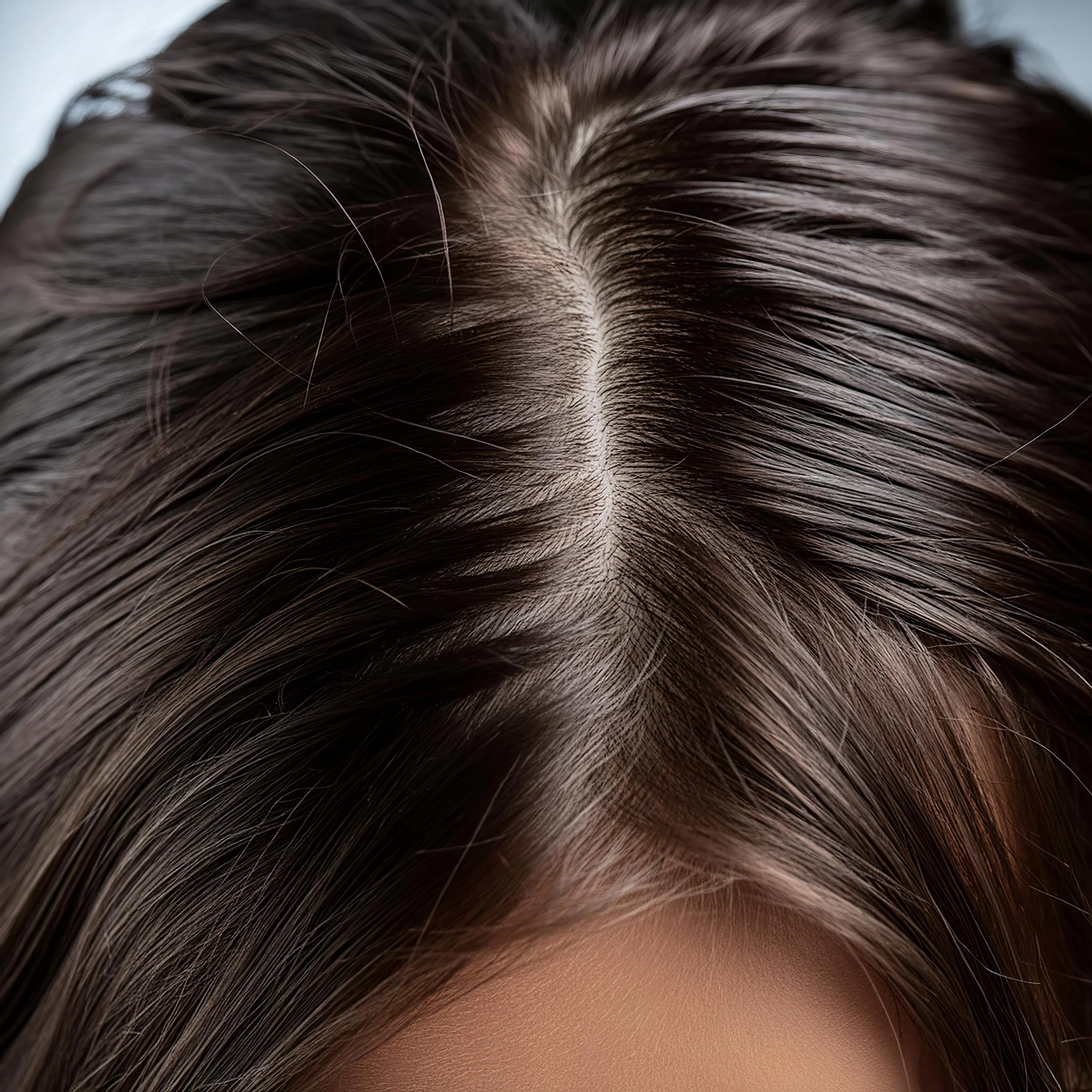
Hard water exposure causes calcium deposits to accumulate on the hair, but if your hair is lightened, dyed, chemically treated, or heat damaged. Leads to Dry or coarse texture; brittle or prone to breaking; dull and lackluster; challenging to manage; fading of color; increased tangling; thinning hair; residue on the hair and scalp.
1.Decrease in Moisture:
•The formation of a barrier on the hair shaft is one of the main consequences of calcium accumulation. This barrier keeps moisture out of the hair, which is particularly troublesome for damaged hair that needs hydration to seem strong and healthy.
•Hair might grow even drier, more brittle, and more likely to break if it doesn't receive enough moisture. Those who have heat-damaged or chemically treated hair should be especially concerned about this.
2.Hair Weighed Down:
•Even after washing, calcium accumulation can make hair seem greasy or heavy. The reason for this is that the mineral deposits stick to the hair, causing it to feel limp and heavy. This effect is especially noticeable for people with thin or fine hair, and their hair may become less bouncy and full-bodied.
•Because of its weight, hair is unable to absorb styling products efficiently, resulting in them sitting on top of the hair instead of really nourishing it.
3.drabness and absence of luster:
•A calcium accumulation can give hair a lifeless, drab appearance. Mineral deposits on the surface of the hair shaft obstruct the reflection of light, which is what makes healthy hair appear lifeless and dry. The hair seems drained or lifeless due to the reduction of its natural sheen.
4.Itching in the Scalp:
•Dryness and discomfort may result from calcium and other mineral buildup on the scalp. This may occasionally result in flakiness or itching, or it may even make dandruff worse.
•This irritation can cause discomfort and further hair health problems for people with sensitive or damaged scalps. Clogged hair follicles may arise, which may impede normal hair growth and eventually cause thinning.
5.Increased Split Ends and Breakage:
•Damaged hair is already more brittle, particularly if it has undergone excessive chemical or heat processing. Further damage may result from the harsh texture that calcium deposits can produce on the hair shaft.
•The outer layer of the hair, known as the cuticle, may lift as a result of this roughness, increasing the likelihood of injury.
•Because the mineral accumulation exacerbates the damage already there and makes it more difficult to smooth the hair, split ends may also become more obvious.
How to prevent and treat calcium deposit damaged hair:
1.Clarifying Shampoos:
•If you don't have access to a chelating shampoo, a clarifying shampoo can also help remove mineral deposits. However, clarifying shampoos are typically harsher than regular shampoos, so use them sparingly and always follow with a hydrating conditioner to prevent further dryness.
2.Use a shampoo that chelates:
•Chelating shampoos are made specifically to get rid of calcium and other mineral accumulation. Ethylene diamine tetra-acetic acid (EDTA), one of their constituents, binds to minerals and aids in their dissolution and removal. If you reside in an area with hard water, use a chelating shampoo once a week or as needed.
3.Hair Masks That Are Nourishing and Hydrating:
•Use moisturizing treatments or deep conditioning masks on a regular basis to give your hair back its smoothness and hydration. To deeply nourish the hair and help counteract the drying effects of calcium buildup, look for products that contain oils (like argan, coconut, or olive oil) or humectants (like glycerin).
