
Dry hair causes and solution
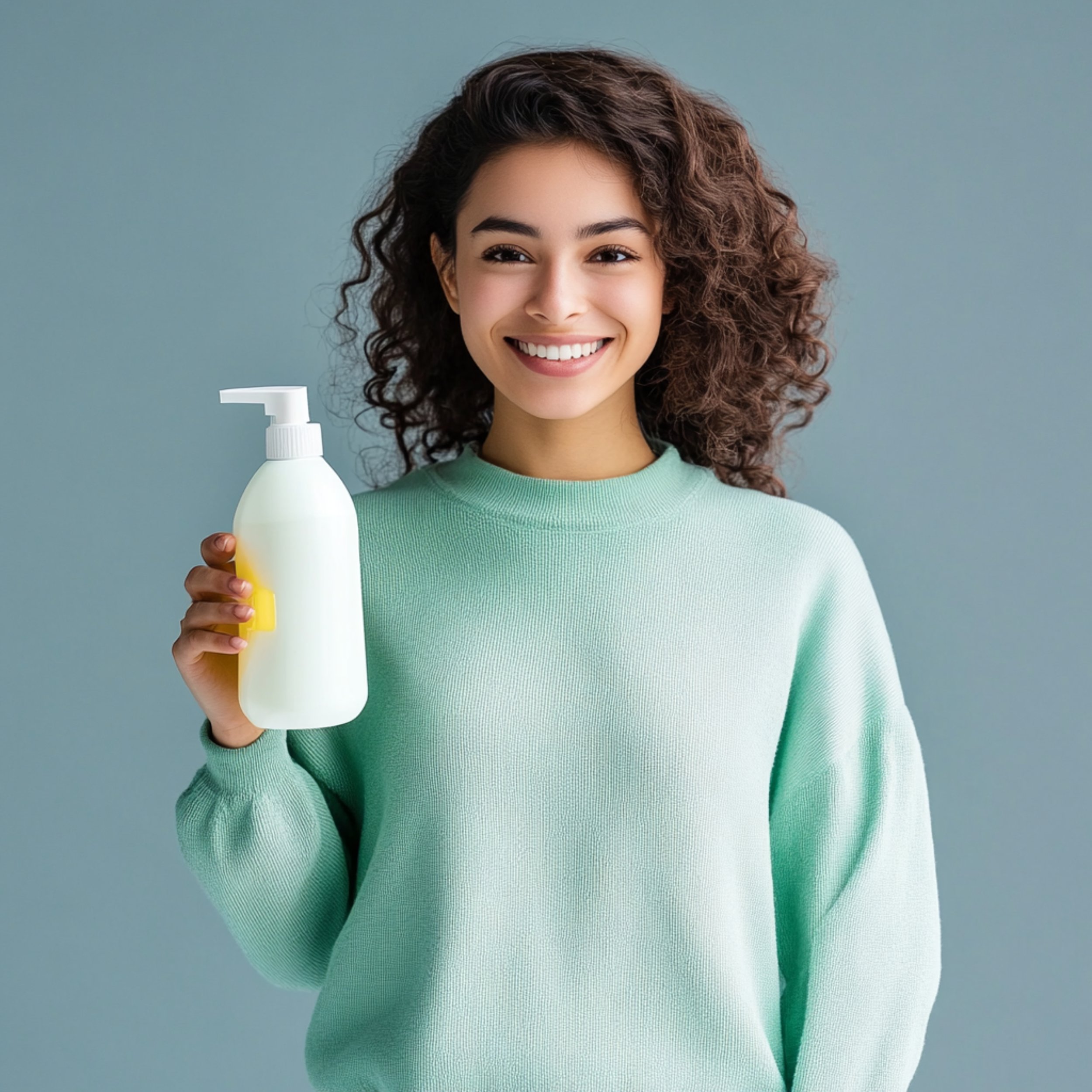
The lack of natural oils and moisture in the hair shaft causes dry hair, which has a straw-like, brittle feel. Rough cuticles deprive the hair of moisture and increase its vulnerability to breakage, split ends, and frizz. Lack of sheen, stiffness in the hair strands, and trouble styling the hair are signs of dryness.
Reasons for Dry Hair
1. Overuse of Heat Styling: Regular use of hot appliances such as blow dryers, curling irons, and straighteners depletes hair of moisture, causing damage and dryness.
2. Overwashing: Excessive hot water or frequent washing can remove natural oils from hair, leaving it dry and brittle.
3. Chemical Treatments: Chemical straightening, perming, and coloring degrade the structure of hair, leaving it more prone to breakage and dryness.
4. Environmental Factors: Hair can become dry due to moisture loss from exposure to the sun, wind, dry air, or severe weather.
5. Improper Hair Care Products: One of the primary causes of a flaky scalp is dryness and irritation of the scalp, which can be caused by using products that contain harsh chemicals, alcohol, or sulphates, which can strip the hair of its natural oils.
6. Lack of Hydration and Moisture: Dry and lifeless hair can result from a bad diet deficient in vital nutrients or from not drinking enough water.
7. Hormonal Changes: Hormones regulate the production of natural oils, and imbalances can cause the scalp to produce less oil, leading to dryness and thinning of the hair.
8. Medical Conditions: Hormonal imbalances, dietary deficiencies, and hypothyroidism are a few health conditions that can affect hair health and cause brittle hair.
Solution for Dry and Frizzy Hair:
•Hydrating Shampoos and Conditioners: Choose hydrating shampoos and conditioners made especially for dry or damaged hair that don't include any chemicals. To get the most advantages, look for components like argan oil, shea butter, or hyaluronic acid.
• Frequent Conditioning and Deep Conditioning Treatments: To give your hair extreme moisture and nourishment, use a hydrating conditioner after each wash and use deep conditioning treatments or hair masks once a week. By retaining the moisture in your scalp and hair strands, using a hair mask helps dry hair.
• Restrict Heat Styling: Use as few heat styling equipment as you can. Use a heat protectant serum before style if you can't prevent it, and use lower heat settings to minimize damage.
•Cut Down on Washing Frequency: Cutting back on hair washing and avoiding hot showers to protect natural oils are two excellent ways to treat damaged hair. Between washes, try using dry shampoo to revitalize your hair without dehydrating it.
•Protective Hairstyles: To avoid breakage and dryness, wear hairstyles like loose braids or buns that minimize friction and manipulation on the hair.
•Get Regular Trims: Getting regular trims, such as every six to eight weeks, is one way to treat damaged hair. This will help to remove split ends and stop them from moving up the hair shaft and causing more damage.
•Scalp Care: To keep your scalp healthy, massage it frequently to increase blood flow and use mild exfoliating products to get rid of buildup.
•Use Natural Oils: To add moisture and gloss to hair, apply natural oils such as coconut, argan, or jojoba oil as a leave-in cream or pre-wash treatment.
• Protective Nighttime Routine: To minimize friction and stop moisture loss while you sleep, wrap your hair in a silk scarf or use a silk or satin pillowcase. Remember to include a night cream that fills in moisture in your usual hair care regimen.
•Balanced Diet and Hydration: To promote general hair health, eat a diet high in vitamins, minerals, and good fats. Staying hydrated requires drinking lots of water, which is reflected in the moisture content of your hair.
