
Herbal Hair Colors to Try
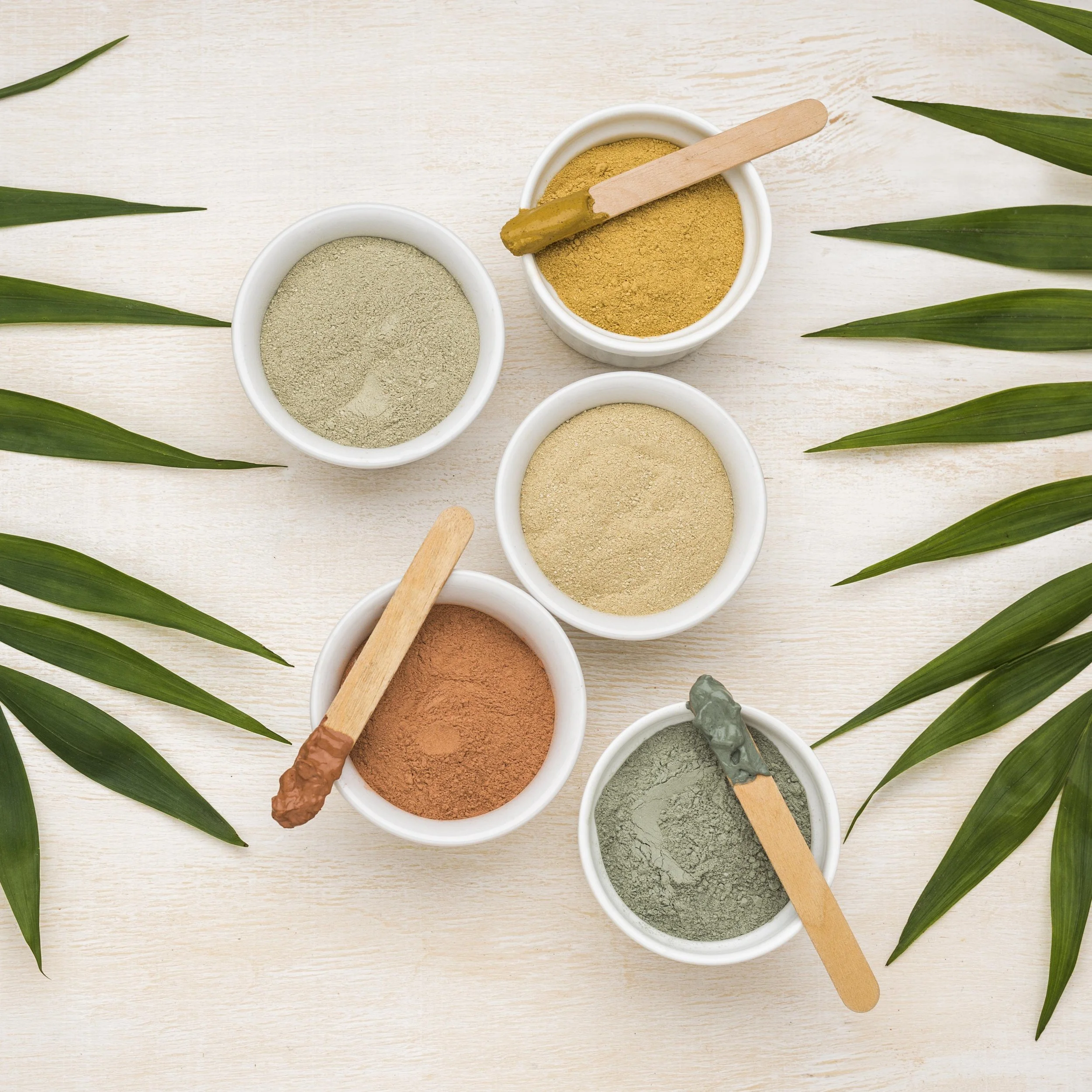
Herbal hair colors have gained popularity in recent years as a safer, more natural alternative to traditional chemical-based hair dyes. Made from natural plant extracts, these dyes offer vibrant color options while nourishing the hair, promoting shine, and avoiding the harsh chemicals often found in conventional dyes. If you’re looking to color your hair without exposing it to harmful substances like ammonia or peroxide, herbal hair colors are a great choice.
Best herbal hair colors can try:
1. Henna (Lawsonia inermis):
Key Benefits: Henna has been used for centuries as a natural hair dye. It provides a rich, vibrant red to auburn color while conditioning the hair. Henna not only colors but also strengthens and nourishes the hair, reducing issues like dandruff and promoting scalp health.
How to Use: Mix henna powder with lemon juice or tea to create a paste, apply to the hair, and leave it on for several hours. The longer it stays, the darker and deeper the color.
Benefits: Long-lasting color, strengthens hair, adds shine, and reduces dandruff.
2. Indigo (Indigofera tinctoria):
Key Benefits: Indigo is often used in combination with henna to create a range of darker shades from dark brown to black. It works as a natural colorant and conditions the hair while darkening the natural color.
How to Use: Apply indigo after henna to achieve darker shades. The mix of henna and indigo provides natural coverage for graying hair.
Benefits: Provides natural black or dark brown color, enhances shine, and reduces frizz.
3. Amla (Indian Gooseberry):
Key Benefits: Amla is well-known for promoting hair health and growth. It naturally darkens hair while preventing premature graying. Amla is rich in antioxidants and vitamin C, which strengthen the hair follicles and improve scalp health.
How to Use: Mix amla powder with water to form a paste and apply to your hair. Leave it for an hour, then rinse off.
Benefits: Darkens hair naturally, strengthens the roots, improves scalp health, and reduces hair fall.
4. Cassia (Neutral Henna):
Key Benefits: Cassia is a non-dyeing herb that adds shine and conditions the hair. It is particularly beneficial for those with lighter hair or looking for subtle highlights and improved texture.
How to Use: Mix cassia powder with water and apply as a conditioner. It’s often used to enhance and brighten blonde or light-colored hair.
Benefits: Adds shine, improves texture, and strengthens hair without changing its natural color.
5. Coffee Powder:
Key Benefits: Coffee powder is a natural dye that adds a rich, dark brown to black hue. It is particularly great for those who want to enhance their natural color without making drastic changes.
How to Use: Brew strong coffee, mix it with coffee powder, and apply to damp hair. Leave it on for 30-60 minutes and rinse.
Benefits: Enhances natural color, adds shine, and strengthens hair.
6. Beetroot Powder:
Key Benefits: Beetroot powder adds vibrant red, pink, and purple tones, making it a popular choice for those who want bold, eye-catching colors.
How to Use: Mix beetroot powder with water to create a paste and apply to hair for several hours.
Benefits: Adds rich, vibrant color, improves hair texture, and promotes shine.
7. Chamomile:
Key Benefits: Chamomile is great for enhancing and lightening blonde or light-colored hair. It provides natural highlights and a subtle golden hue.
How to Use: Brew chamomile tea, mix it with water, and apply to damp hair. Sit in the sun to enhance the natural lightening effect.
Benefits: Lightens hair naturally, adds shine, and enhances blonde tones.
•Gentle on Hair: Herbal dyes are free from harsh chemicals like ammonia and peroxide, reducing the risk of damage and breakage.
•Nourishing Properties: Many herbal dyes contain ingredients like henna, amla, and indigo that strengthen the hair, improve scalp health, and promote hair growth.
•Natural and Safe: They are derived from natural plant extracts, making them suitable for those with sensitive skin or allergies to chemicals.
•Environmentally Friendly: Most herbal hair colors are eco-friendly and cruelty-free, offering a more sustainable option.
•Customizable Shades: Herbal dyes can be mixed and matched to achieve a wide range of colors, from subtle tones to bold, vibrant shades.
Conclusion:
Herbal hair colors provide a natural, safe, and effective way to enhance your hair’s appearance without exposing it to harsh chemicals. Whether you’re looking for subtle highlights or vibrant reds, there is a wide range of herbal hair colors to suit your preferences. From henna to coffee, these natural dyes not only give you beautiful, long-lasting color but also contribute to healthier, stronger hair. Embrace the power of nature for stunning, radiant hair.
