
Pea Protein Powder: Nutrition, Benefits and Side Effects
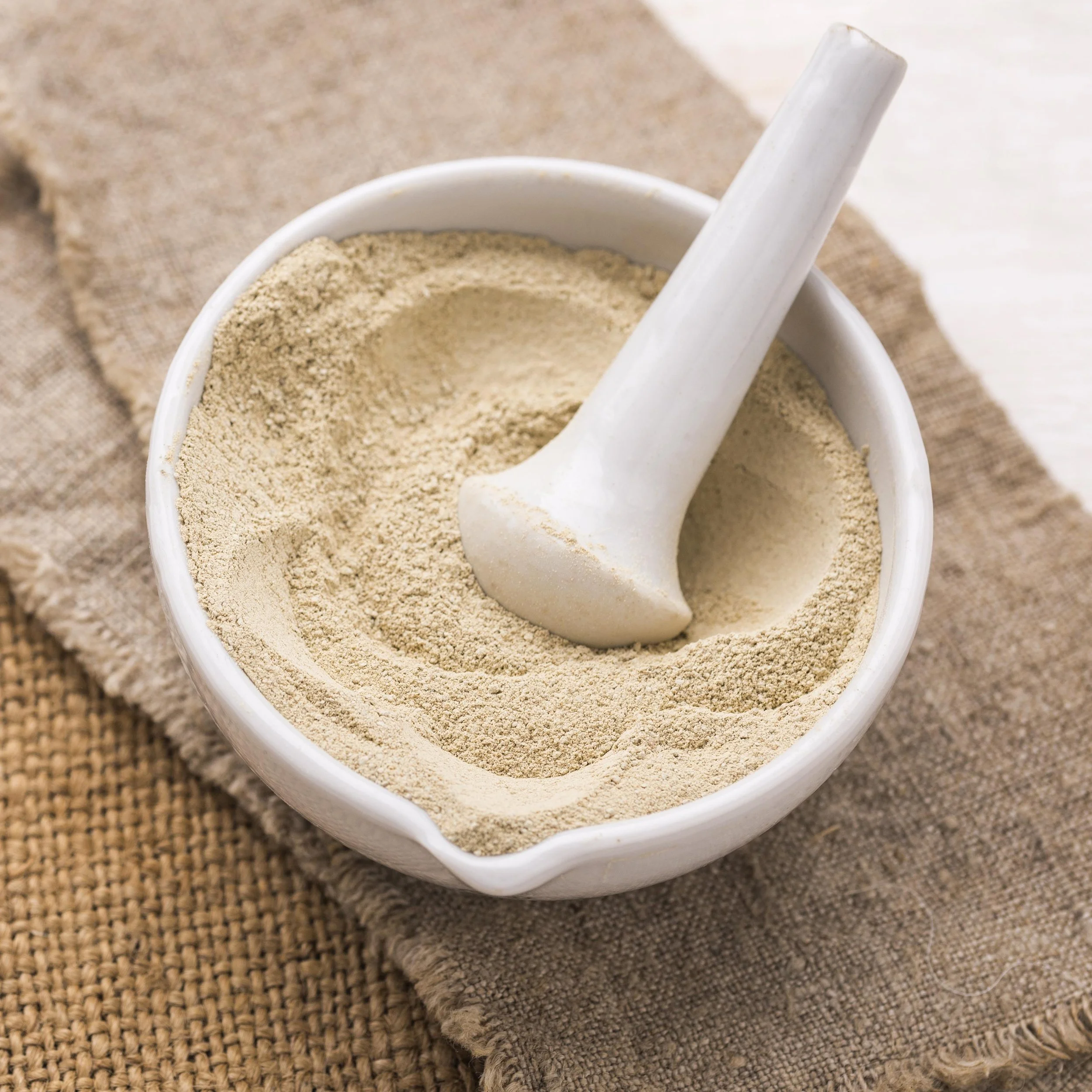
Pea Protein Powder: Nutrition, Benefits, and Side Effects
Pea protein powder has gained popularity as a plant-based alternative to traditional protein powders like whey and casein. Made from yellow split peas, it’s an excellent option for those who are vegan, lactose-intolerant, or simply looking for a clean, hypoallergenic protein source. This article explores the nutritional profile, benefits, and potential side effects of pea protein powder to help you decide if it’s the right choice for your diet and fitness goals.
Nutritional Profile of Pea Protein Powder:
Pea protein powder is derived from dried and ground yellow peas that are processed to isolate the protein. It’s a rich source of essential nutrients, particularly amino acids.
•High Protein Content: Pea protein contains about 15–20 grams of protein per serving (usually around 30 grams).
•Essential Amino Acids: While not a complete protein like whey, pea protein is high in branched-chain amino acids (BCAAs) like leucine, isoleucine, and valine, which are critical for muscle growth.
•Rich in Iron: One serving of pea protein can provide 30–40% of your daily iron needs, making it a great choice for vegans who may be at risk of iron deficiency.
•Low in Carbs and Fat: It’s a lean protein source, typically containing very low levels of fat and carbohydrates.
•Gluten-Free and Hypoallergenic: Pea protein is free from common allergens like gluten, dairy, and soy.
Benefits of Pea Protein Powder:
1.Supports Muscle Growth and Recovery:
Pea protein contains a significant amount of BCAAs, especially leucine, which stimulates muscle protein synthesis. Studies suggest that pea protein can be as effective as whey protein in promoting muscle growth when consumed post-workout.
2.Improves Heart Health:
Pea protein contains compounds that may support cardiovascular health by lowering blood pressure and cholesterol levels. Its arginine content, an amino acid, helps improve blood flow and maintain heart function.
3.Aids in Weight Management:
Pea protein is highly satiating, helping you feel full for longer periods. This can reduce overall calorie intake, making it an effective tool for weight management. Its protein content also supports metabolism and fat loss while preserving lean muscle mass.
4.Supports Digestive Health:
Unlike dairy-based proteins, pea protein is easy to digest and does not cause bloating or gastrointestinal discomfort. It is free from lactose and other common irritants, making it a gentle option for sensitive stomachs.
5.Iron Boost for Vegans:
Pea protein is an excellent source of plant-based iron, which is crucial for oxygen transport and energy production. Pairing it with a vitamin C source, like orange juice, can enhance iron absorption.
6.Environmentally Friendly:
Peas are a sustainable crop that requires less water and fewer resources compared to animal protein sources, making pea protein an eco-friendly choice.
Potential Side Effects of Pea Protein Powder:
While pea protein is generally considered safe, some individuals may experience minor side effects:
1.Digestive Issues:
•Though rare, consuming excessive amounts of pea protein may cause mild digestive discomfort, such as bloating or gas, particularly if you’re not accustomed to high protein intake.
2.Low Methionine Levels:
•Pea protein is low in the essential amino acid methionine, which is important for muscle repair and energy production. Combining it with other plant-based proteins, like rice protein, can create a complete amino acid profile.
3.Allergic Reactions:
•Though uncommon, some individuals with legume allergies (e.g., to peas or lentils) may need to avoid pea protein powder.
4.Potential Additives:
•Some brands may include artificial sweeteners, flavors, or fillers, which could cause adverse reactions in sensitive individuals. Always check the ingredient label to choose a clean product.
How to Use Pea Protein Powder:
•Post-Workout Shake: Mix it with water, almond milk, or your favorite smoothie for a protein boost after exercise.
•Baking and Cooking: Use pea protein powder in recipes like pancakes, muffins, or protein bars to increase the protein content of your meals.
•As a Meal Replacement: Combine pea protein with healthy fats (e.g., nut butter) and carbs (e.g., oats or fruits) for a balanced meal replacement.
Who Should Use Pea Protein?
•Pea protein powder is ideal for:
•Vegans and vegetarians looking for a plant-based protein source.
•Individuals with lactose intolerance or dairy allergies.
•Those seeking a sustainable, eco-friendly protein option.
•People with sensitive stomachs who want an easily digestible protein.
Conclusion
Pea protein powder is a versatile and nutritious option for anyone looking to boost their protein intake, support muscle growth, or improve overall health. With its impressive benefits, eco-friendly nature, and suitability for various dietary needs, it’s a great alternative to traditional protein powders. However, as with any supplement, moderation is key, and combining it with a balanced diet will help you achieve optimal results.
