
Plant-Based Protein vs. Whey Protein
whey protein:
Most whey protein powders are isolated from whey, a milky liquid byproduct from cheese making. Once the liquid has been collected, carbohydrates, fat, water, and other components are removed. The remaining protein is then spray-dried into a powder.
plant based protein:
Plant-based protein powders are derived from various types of plants — commonly brown rice, pea, soy, and hemp. Depending on the brand, a powder may be made from one type of plant or a combination of plants.
plant based protein vs whey protein:
PLANT PROTEIN - Plant proteins are ideal for vegans, vegetarians, and flexitarians. It was once believed that plant-based proteins could not help to support muscle. Now, we know that you can get all the essential amino acids from a plant-based diet as long you have a sufficient, balanced, and varied diet. Plant protein can help support anyone who wants to live a healthy, active lifestyle.
WHEY PROTEIN - Whey protein fits into many dietary approaches, including lacto-vegetarians and flexitarians. Whey protein is an excellent, high-quality option to add more protein throughout your day - it’s also a reliable protein to consume before activity as it is classified as quick digesting (compared to casein) and absorbing, meaning the amino acids generally peak in the bloodstream about one hour after consumption. Furthermore, whey is naturally high in branched-chain amino acids (BCAAs), especially leucine – making it a great protein choice to help support muscle recovery.
Dietary sources:
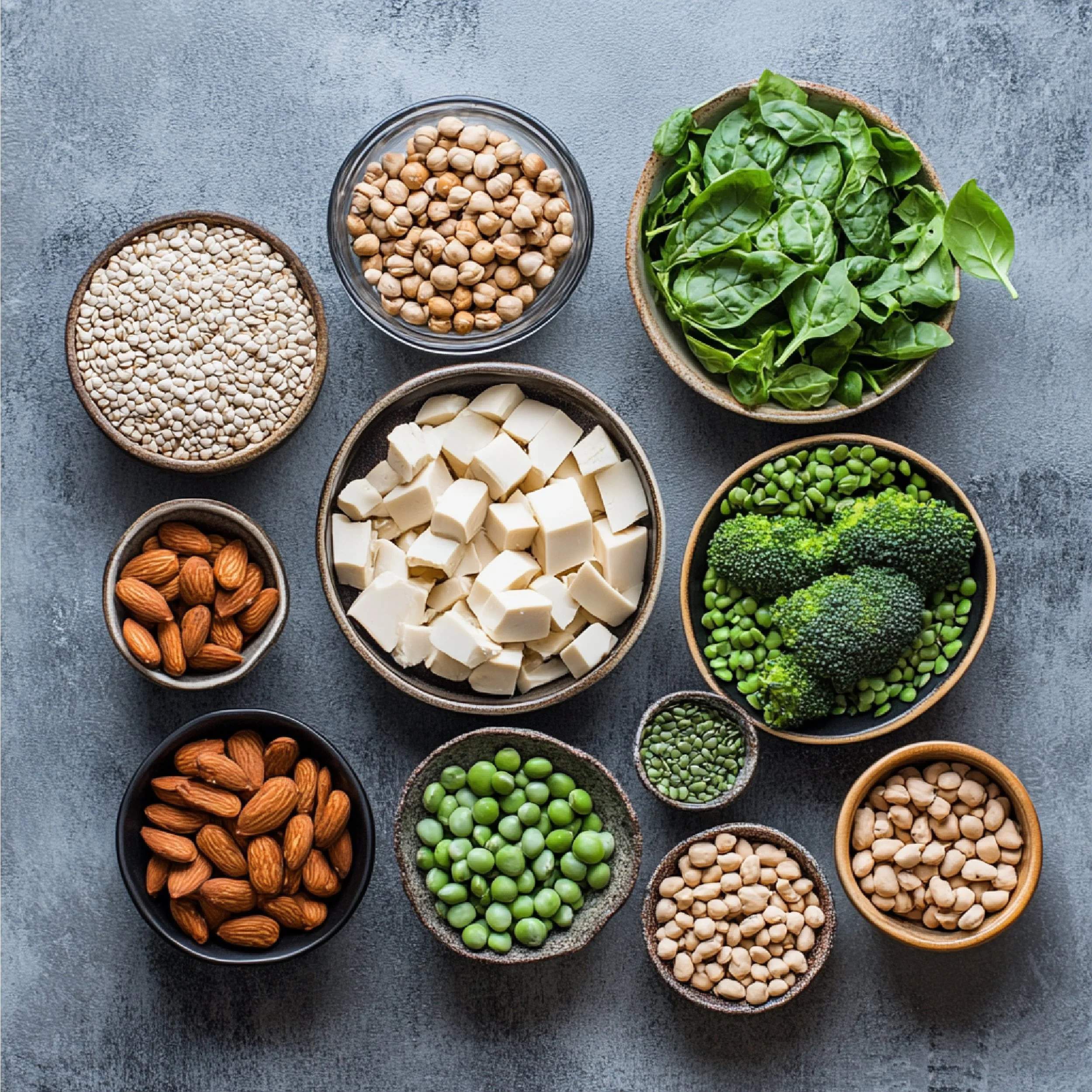
PLANT PROTEIN - There are several incredible options to choose from to add more plant to your diet. Consider plant proteins such as black beans, chickpeas, soybeans, lentils, pinto beans, brown rice, quinoa, oats, almonds, pistachios, sunflower seeds, tofu, and tempeh.
WHEY PROTEIN - Whey is naturally found within dairy foods as it is derived from cow’s milk. Whey protein can be found in milk, yogurt, kefir, and soft cheeses, such as ricotta and cottage cheese.
Nutritional benefits:
PLANT PROTEIN - Plant proteins are found in legumes (pulses), whole grains, nuts, and seeds. They can enhance your diet by enhancing select nutrients including potassium, dietary fiber, folate, and protein. Legumes also can help increase iron and zinc, and grains can add several B vitamins, iron, magnesium, and selenium.
WHEY PROTEIN - Whey protein may be found in dairy foods like milk, yogurt, cheese, and desserts (like ice cream!). Depending on the source, adding dairy to your diet can potentially increase your intake of nutrients including calcium, phosphorous, vitamin A, vitamin D, vitamin B12, vitamin B2, potassium, zinc, choline, magnesium, selenium, and protein.
Quality:
PLANT PROTEIN - Plant is classified as an incomplete protein, meaning that it is low or lacking in one or more of the essential amino acids. Most single-source plant proteins such as peas and rice are considered incomplete. Fortunately, you can combine incomplete proteins to create a complete protein, known as complementary proteins or protein pairing. It’s encouraged to consume a variety of dietary sources throughout the day to fully meet protein needs. One exception are soy proteins, which are considered complete.
WHEY PROTEIN - Whey is classified as a complete protein, meaning that it contains all nine of the essential amino acids in sufficient quantities. Essential amino acids cannot be made by the body, therefore must be obtained from dietary sources. In addition to whey’s amino acid profile, it’s also more readily digested when compared to plant-based protein sources. This generally holds true for animal-based sources of protein when compared to plant-based dietary sources.
Supplements:
PLANT PROTEIN - Plant protein supplements are generally offered as single-source proteins, which can leave them as incomplete proteins. Aside from soy protein supplements, other single source protein products (pea, chia, hemp, rice) alone do not help to support muscle recovery. Supplements with a variety of plant-based proteins can be formulated to contain a complete amino acids profile. Check the label to understand if a plant protein supplement is a complete protein.
WHEY PROTEIN - Whey protein supplements are complete proteins, which contain all the essential amino acids in sufficient quantities. Whey protein is a high-quality protein that can help build and maintain muscle. Whey also has naturally occurring BCAAs to help support endurance and muscle recovery.
