
steps to fix heat damaged hair
Steps to Fix Heat Damaged Hair
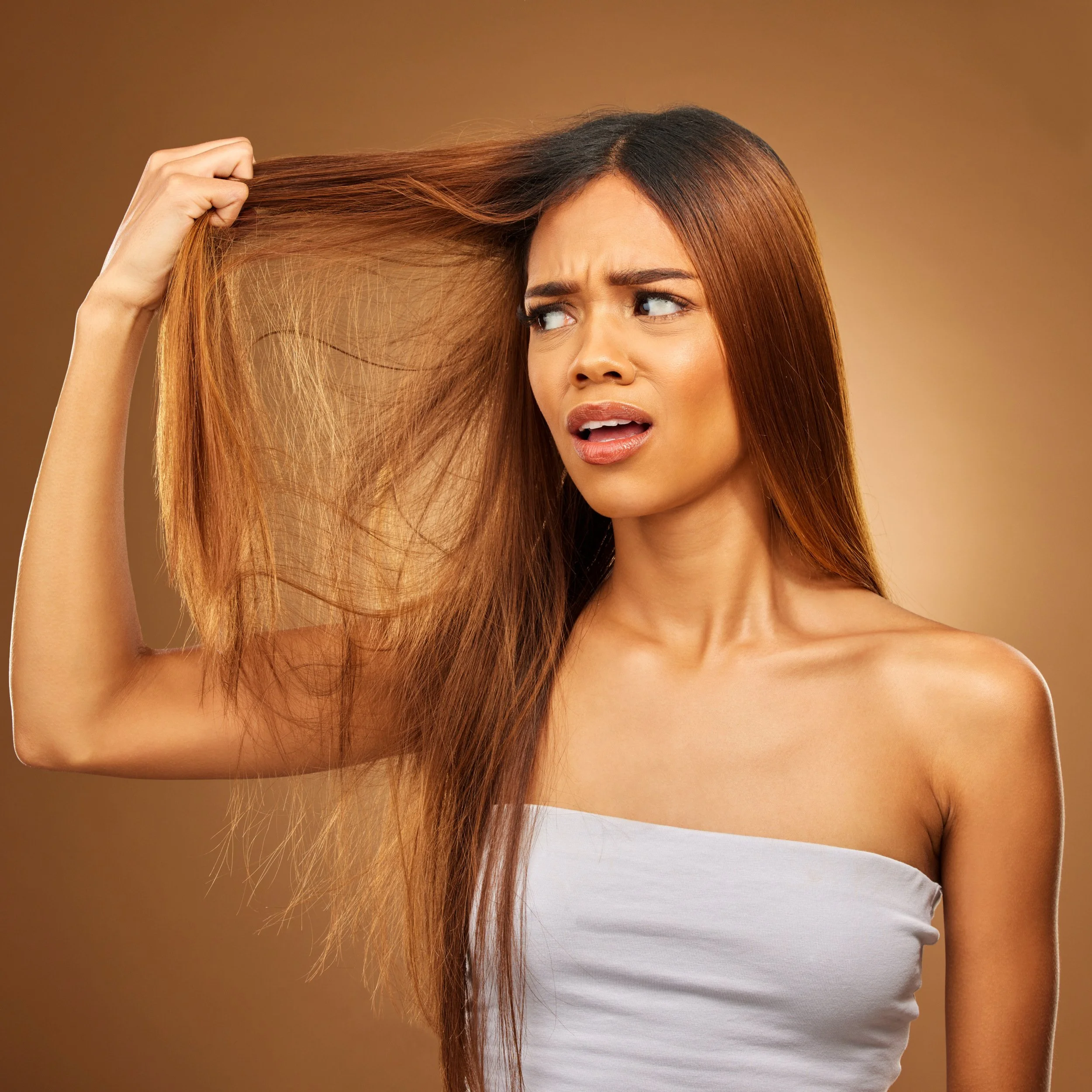
Heat styling tools like blow dryers, flat irons, and curling wands are common in hair care routines, but frequent use of high heat can lead to heat-damaged hair. Heat damage is characterized by dry, brittle, and frizzy hair, split ends, and a lack of shine. If you’re dealing with these issues, don’t worry—there are effective steps you can take to repair and restore your hair’s health. Below are the essential steps to fix heat-damaged hair and regain softness, strength, and shine.
1. Assess the Damage and Trim Split Ends:
The first step in repairing heat-damaged hair is to assess the extent of the damage:
•Trim Split Ends: Heat damage often results in split ends and frayed hair strands. Regular trims are essential to remove damaged ends and promote healthier hair growth. Aim to visit the salon for a trim every 6-8 weeks to maintain healthy hair.
•Identify Problem Areas: Check for areas of excessive dryness and split ends, particularly on the tips of your hair.
2. Deep Conditioning and Hydration:
Hydration is key to repairing heat-damaged hair:
•Use Deep Conditioning Masks: Treat your hair to weekly deep conditioning masks that are rich in nourishing ingredients like shea butter, argan oil, or coconut oil. These masks help replenish moisture, repair the hair cuticle, and restore elasticity.
•Moisture-Rich Products: Opt for leave-in conditioners, hydrating shampoos, and conditioners that are designed to restore moisture and strengthen the hair.
•Leave-In Treatments: Apply leave-in conditioners or hair oils to damp hair to seal in moisture and protect against further damage.
3. Reduce Heat Styling and Use Heat Protectants:
To prevent further damage, reduce the use of heat styling tools and protect your hair from heat exposure:
•Limit Heat Styling Tools: Minimize the use of blow dryers, flat irons, curling wands, and other high-heat tools. Let your hair air dry whenever possible.
•Heat Protectant Products: Always use a heat protectant spray or serum before applying heat styling tools. Heat protectants form a barrier that helps reduce heat damage and breakage.
•Adjust Heat Settings: Use the lowest possible heat setting when using tools and avoid excessive exposure.
4. Replenish with Nourishing Oils and Serums:
Oils and serums are excellent for sealing moisture and adding shine to heat-damaged hair:
•Natural Oils: Use oils like argan oil, jojoba oil, or coconut oil to nourish and hydrate your strands. Apply a small amount to damp or dry hair to add shine and reduce frizz.
•Leave-In Serums: Use lightweight serums that help smooth the hair cuticle, combat frizz, and restore moisture.
•Hot Oil Treatments: Consider hot oil treatments once a week, where you heat a nourishing oil and apply it to your hair, leaving it on for an hour or overnight for maximum hydration.
5. Avoid Harsh Ingredients and Sulfates:
Certain ingredients can further dry out heat-damaged hair. Switch to products that are gentle and free from harsh chemicals:
•Sulfate-Free Shampoos and Conditioners: Sulfates strip natural oils from your hair, leaving it drier. Use sulfate-free shampoos to retain moisture.
•Avoid Alcohol-Based Products: Alcohol can dry out the hair, so opt for moisturizing and alcohol-free styling products.
•Gentle Cleansing: Cleanse your hair with gentle shampoos that are designed for dry or damaged hair to prevent further breakage.
6. Improve Nutrition and Hair Health from Within:
What you eat and drink plays a significant role in hair health:
•Nourish Your Hair with Vitamins and Minerals: Ensure you're consuming a balanced diet rich in vitamins like B vitamins, vitamin E, zinc, and omega-3 fatty acids. These nutrients help strengthen hair follicles, promote hair growth, and improve overall hair health.
•Hydration: Drink plenty of water to keep your hair and scalp hydrated from the inside out.
•Reduce Stress: Stress can contribute to hair damage, so reducing stress levels through relaxation techniques like yoga or meditation can promote healthier hair growth.
7. Incorporate Protein Treatments:
Heat damage can cause a loss of protein in the hair, leading to weakened strands. Protein treatments help restore protein balance:
•Protein Masks: Use protein-rich treatments or hair masks to rebuild the hair structure. Look for products with keratin, silk proteins, or collagen, which strengthen and repair weakened hair.
•Balance Moisture and Protein: Avoid using protein treatments too frequently, as this can lead to protein overload. Combine protein treatments with moisturizing masks to maintain a healthy balance.
Conclusion:
Heat-damaged hair can be repaired with the right treatments and care. By incorporating deep conditioning, reducing heat exposure, nourishing with oils, and maintaining a healthy diet, you can restore your hair’s strength, softness, and shine. With time, patience, and a commitment to gentle care, your heat-damaged hair can regain its health and beauty.
