
Letting your hair air dry may not be good idea
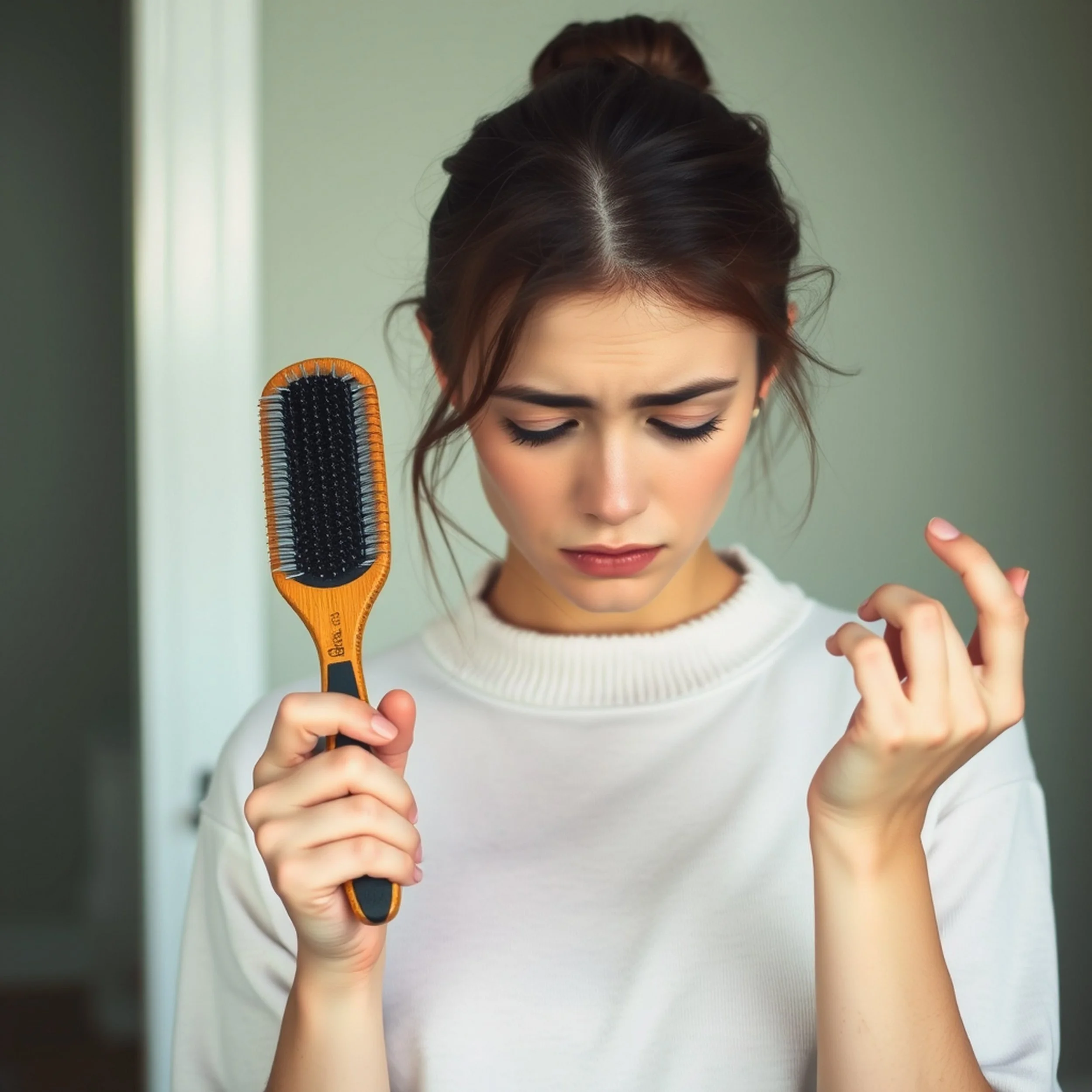
Why Letting Your Hair Air Dry May Not Be a Good Idea
Air drying your hair is often seen as the healthiest way to let it dry naturally without exposing it to heat damage from blow-drying. While this approach has its benefits, it’s not always the best idea. Prolonged air drying can lead to unexpected issues for both your hair and scalp. Understanding the potential downsides of air drying will help you choose the right drying method to maintain strong, healthy hair.
1. Prolonged Wetness Can Weaken Hair
•When your hair is wet, the cuticle—the outer protective layer of the hair shaft—swells and becomes more fragile. This makes your hair more prone to breakage, split ends, and tangling.
•Letting your hair air dry for extended periods keeps your strands in this vulnerable state for too long. This is especially problematic for people with thick or dense hair, as it takes longer to dry, increasing the risk of damage.
2. Increased Risk of Scalp Issues
•A wet scalp creates the ideal environment for bacteria and fungi to thrive. Prolonged dampness from air drying can lead to:
Dandruff: Moisture can disrupt the natural balance of your scalp, encouraging dandruff.
Itching or Irritation: A damp scalp traps oils and dirt, which can cause discomfort.
Fungal Infections: Excess moisture fosters fungal growth, potentially leading to scalp problems.
3. Frizz and Lack of Manageability
•Air drying often leads to uneven drying, especially for textured or layered hair. The outer layers of your hair may dry faster than the inner layers, resulting in frizz and a lack of definition. For those with curly or wavy hair, air drying without proper techniques can leave your hair looking undefined and unruly.
•Additionally, when moisture remains in the hair for too long, it can disturb the cuticle, leading to frizz and dullness.
4. Not Always Suitable for All Climates
•Air drying your hair isn’t ideal in all weather conditions:
Cold Weather: Air drying in cold temperatures can make your hair brittle and increase the risk of breakage. Additionally, stepping outside with wet hair in freezing weather can cause your hair to freeze and become damaged.
Humid Weather: In high humidity, air drying can prolong the drying process and make your hair more prone to frizz.
5. Time-Consuming and Impractical
•Air drying can take hours, particularly for individuals with long, thick, or coarse hair. The prolonged wetness can be inconvenient, and sleeping with wet hair—often a byproduct of air drying—can lead to tangles, kinks, and scalp issues.
How to Dry Your Hair Safely:
If air drying isn’t the best option, what’s the alternative? Blow-drying can be a healthier choice when done correctly. Here’s how to dry your hair while minimizing damage:
1.Blot Hair with a Towel:
Use a microfiber towel or a soft cotton T-shirt to gently blot excess moisture from your hair. Avoid rubbing, as this can roughen the cuticle and cause frizz.
2.Apply a Heat Protectant:
Before using any heat tools, apply a heat protectant spray or cream to shield your hair from damage.
3.Blow-Dry on Low Heat:
Use your blow-dryer on a low or medium heat setting and keep it at least 6 inches away from your hair. Move the dryer evenly to prevent hot spots.
4.Focus on the Roots:
Dry your roots first, as they take the longest to dry and are closest to the scalp where moisture can cause issues.
5.Use a Diffuser for Curls:
For curly or wavy hair, use a diffuser attachment to enhance natural texture while reducing frizz.
Tips for Healthier Air Drying:
If you prefer air drying, follow these steps to minimize potential downsides:
Blot Excess Water: Always remove as much moisture as possible before letting your hair air dry.
Use Leave-In Products: Apply a leave-in conditioner or styling cream to lock in moisture and prevent frizz.
Style Damp Hair: Twist or braid your hair while it’s damp to encourage smooth, manageable results.
Keep Your Scalp Clean: Regularly wash your hair to prevent buildup and reduce the risk of scalp problems.
Conclusion
While air drying may seem like a natural and damage-free way to dry your hair, it’s not always the best approach. Prolonged wetness can weaken your hair, increase the risk of scalp issues, and lead to frizz and uneven results. For healthier hair, consider combining air drying with techniques like towel drying and occasional blow-drying using low heat. By finding a balance, you can keep your hair strong, manageable, and looking its best.
