
Can BTX Help You Sweat Less?
Don’t worry about sounding professional. Sound like you. There are over 1.5 billion websites out there, but your story is what’s going to separate this one from the rest. If you read the words back and don’t hear your own voice in your head, that’s a good sign you still have more work to do.
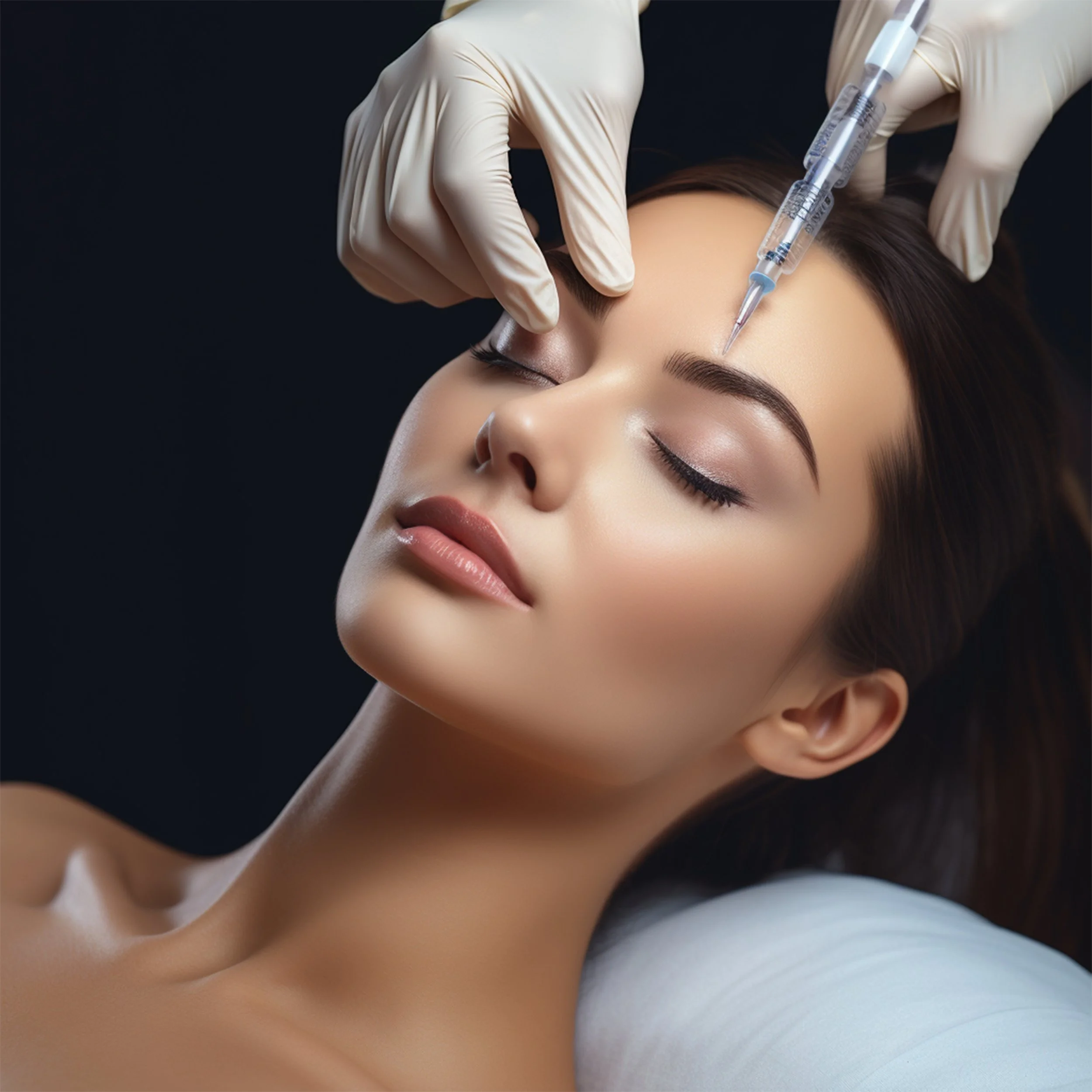
If youre tired of products that don’t stop your serious sweating, BTX could be life-changing Sweating when you’re hot or under pressure is normal. Nervous about a job interview? Your underarms become moist and sticky. Holding a plank position in a hot yoga class? The sweat is pouring down your face. But if you sweat for no reason and no over-the-counter or prescription antiperspirants have helped, you might want to consider BTX injections for underarm sweating.
Is BTX good for underarm sweating?
It is an injectable medication that’s most well-known for its wrinkle-smoothing power. But it’s also great at stopping armpit sweat. It decreases underarm moisture by 82% to 87%. Dryness typically lasts between three to 12 months. Body odor decreases, too. The funky smell from sweaty pits is made by bacteria that thrive in warm, moist places. Eliminate the moisture and the odor goes away as well. But getting underarm it doesn’t mean you’re completely off the hook when it comes to wearing deodorant or antiperspirant, says Dr. Yu. “The goal of this injections is to reduce profuse sweating to a normal or slightly less-than-normal amount.
How BTX for sweating works:
It works by temporarily blocking the chemicals that signal it’s time for your glands to produce sweat. It doesn’t affect touch or sensation in the underarm area. You only need one office visit to complete treatment for underarm sweating. The procedure typically involves 25 injections in each armpit. Each time, your healthcare provider injects a small amount just under the skin’s surface with an extremely small needle. “Some people don’t even feel the injections,” says Dr. Yu. “But if they do, they say it’s more uncomfortable than truly painful. It’s similar to a rubber band snap.” You should see an improvement in sweating in about three to four days. The full, moisture- busting effects happen at around two weeks.
Where can you safely get the injections?
A board-certified dermatologist can safely perform this injections. Look for a doctor who frequently uses BTX for excessive sweating, not just wrinkles. “You want someone familiar with the treatment and any potential side effects,” says Dr. Yu. Plus, a qualified dermatologist knows who shouldn’t get this : “People taking certain medications or those who have conditions such as myasthenia gravis usually aren’t candidates,” notes Dr. Yu. Procedure
Preparation and aftercare:
Before the procedure:
Prior to the procedure, a person will consult with their doctor. They should take this opportunity to tell the doctor about any medical conditions they have, and medications they currently take. This can help reduce the risk of side effects and complications. People who undergo injections should not shave their underarms for 3–4 days before the treatment.
After the treatment:
A person can go home immediately after treatment. They should avoid exercise, and not have hot baths or showers for the rest of the day. Most healthcare providers will recommend a follow-up appointment 1–2 weeks after the procedure. This is to touch up any missed areas, and check for side effects.
There are two types of hyperhidrosis: primary focal hyperhidrosis, and secondary generalized hyperhidrosis.
Primary focal hyperhidrosis:
•Primary focal hyperhidrosis (PFH) is excessive sweating not caused by another medical condition, or a side effect of medication.
•A person with PFH typically experiences symmetrical sweating on specific areas of the body. For example, they may experience excessive sweating of both hands or feet.
•In PFH, excessive sweating occurs at least once a week.
Secondary generalized hyperhidrosis:
•Secondary generalized hyperhidrosis (SGH) is when a medical condition or side effect of medication causes excessive sweating.
•People with SGH tend to sweat across large sections of their body. They may also sweat while sleeping.
•A person with SGH symptoms should see a doctor to determine the cause.
