
Can Btx Help You Salivate Less? Exploring the Efficacy and Process of Btx for Excessive Salivation
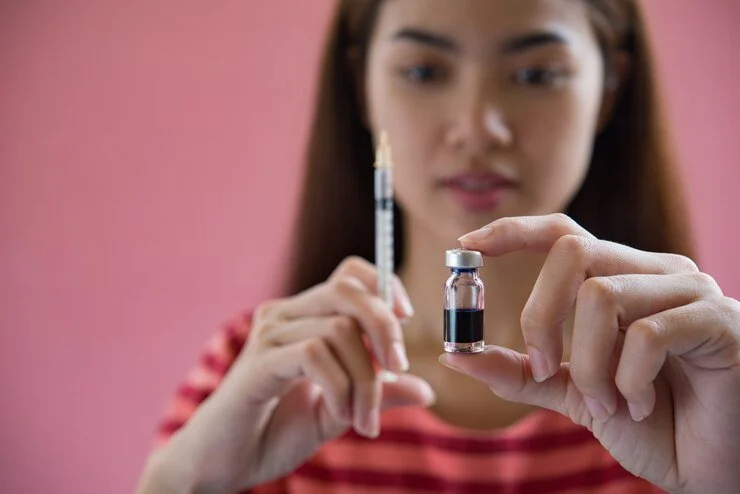
Excessive salivation, medically known as sialorrhea, can be a frustrating and often embarrassing condition for those who experience it. It affects people of all ages and can result from various underlying medical conditions. Fortunately, BTX, a neurotoxin that has gained popularity for cosmetic and medical purposes, has emerged as a promising solution for managing excessive salivation. This article explores how BTX works to reduce salivation, the treatment process, potential benefits, and what to expect.
Understanding Excessive Salivation
Salivation is a normal bodily function that aids in digestion, oral health, and moisture retention in the mouth. However, excessive salivation occurs when the body produces more saliva than necessary, leading to drooling and discomfort. Sialorrhea can significantly impact an individual’s quality of life, causing embarrassment in social situations and affecting speech and swallowing.
Common causes of excessive salivation include:
• Neurological Conditions: Diseases such as Parkinson’s disease, multiple sclerosis, and cerebral palsy can affect the nervous system’s ability to regulate saliva production.
• Medications: Certain medications, including those for anxiety, depression, or other health conditions, can increase saliva production as a side effect.
• Oral Health Issues: Infections, dental problems, or even allergies can lead to an increase in saliva secretion.
Understanding the underlying cause of excessive salivation is crucial for effective treatment. While there are various management strategies, BTX has emerged as a viable option for many patients.
How Does BTX Work?
BTX, or Anti- Wrinkle injection, It works by temporarily blocking nerve signals to muscles, causing a reduction in muscle activity. When injected into the salivary glands, BTX inhibits the release of acetylcholine, a neurotransmitter responsible for stimulating saliva production. As a result, patients experience a decrease in saliva output. This mechanism makes BTX an attractive option for those struggling with excessive salivation. The treatment not only alleviates symptoms but also improves the overall quality of life for many individuals.
The Treatment Process:
1. Consultation:
• The journey begins with a thorough consultation with a qualified healthcare professional, typically a neurologist or a cosmetic surgeon. During this appointment, the physician will evaluate your medical history, discuss the severity of your salivation issues, and explain the potential benefits and risks associated with Botox treatment.
2. Preparation for Treatment:
• Before the procedure, the healthcare provider may recommend certain preparatory steps, such as avoiding blood-thinning medications to minimize the risk of bruising.
3. Injection Procedure:
• The BTX treatment itself is relatively quick, often taking 15 to 30 minutes. Using a fine needle, the healthcare provider will inject small amounts of BTX into the targeted salivary glands, which are usually located near the jawline. Patients may receive multiple injections to achieve the desired effect.
4. Post-Treatment Care:
• After the injections, patients can typically resume their normal activities immediately. Some minor swelling or bruising at the injection site is common, but this usually resolves quickly.
Expected Results:
Most patients start to notice a reduction in saliva production within a few days after the treatment. The effects can last anywhere from three to six months, depending on the individual and the severity of their condition. It is important for patients to schedule follow-up appointments to maintain the benefits of the treatment.
Benefits of Anti- Wrinkle injection for Excessive Salivation
• Improved Quality of Life:
• Many patients report a significant enhancement in their daily lives after receiving for excessive salivation. Reduced drooling and discomfort can lead to increased confidence during social interactions and improved overall well-being.
• Non-Surgical Alternative:
• It provides a non-invasive option compared to more invasive surgical procedures that may involve removing salivary glands or rerouting saliva ducts. This makes it an appealing choice for many individuals.
• Rapid Onset of Action:
• Unlike some treatments that take weeks to show effects, It can produce noticeable results within days. This quick response is often a relief for individuals seeking immediate solutions to their symptoms.
Conclusion:
BTX has emerged as a valuable option for individuals struggling with excessive salivation. By temporarily inhibiting saliva production, It can provide relief from uncomfortable symptoms, improve self-confidence, and enhance overall quality of life. If you are experiencing excessive salivation and seeking effective treatment options, consider consulting with a healthcare professional to explore whether BTX is the right choice for you.
