
Fiber-Rich Foods Improve Overall Health
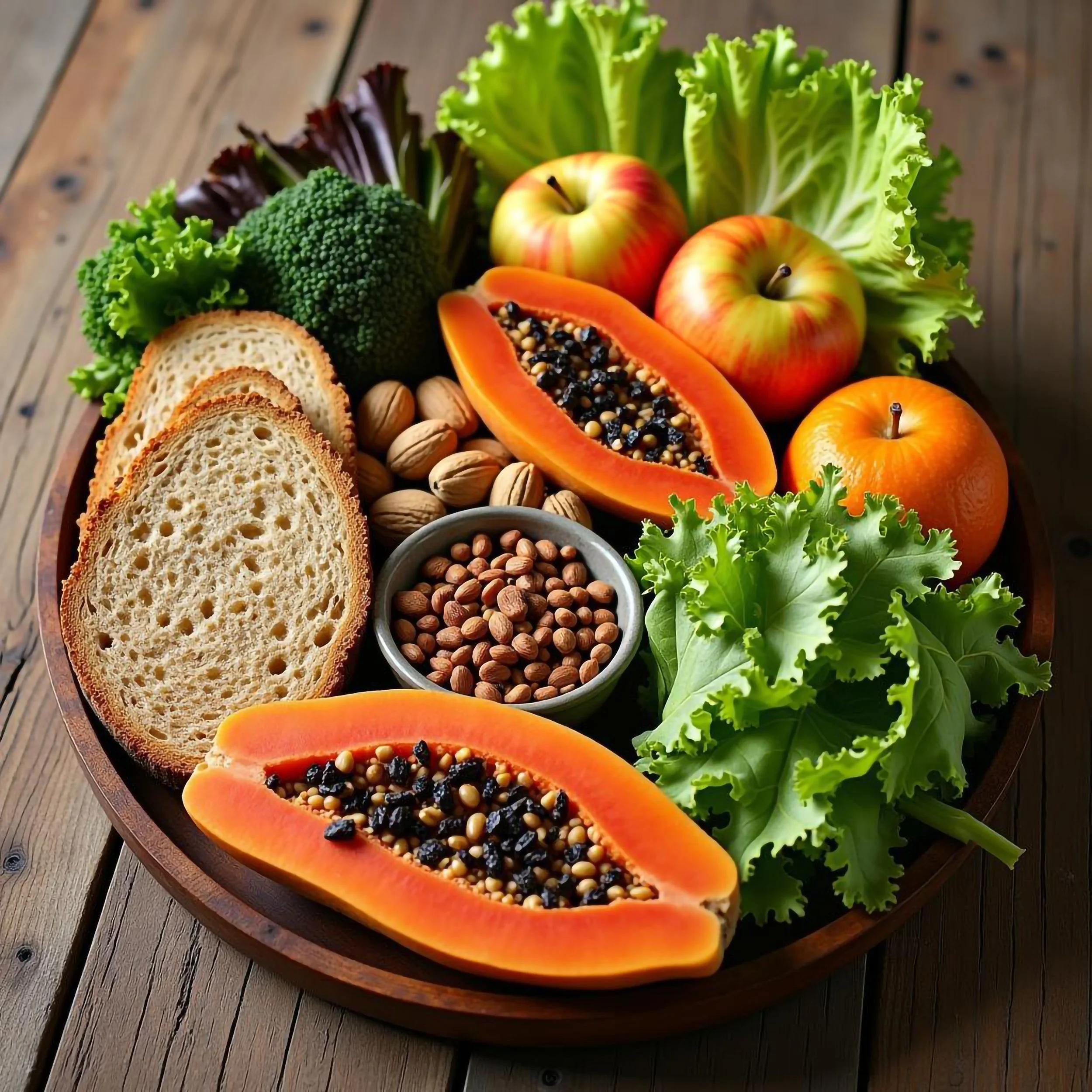
Fiber is a crucial component of a balanced diet, yet it’s often overlooked in daily food choices. Eating fiber-rich foods not only enhances digestive health but also plays a pivotal role in preventing chronic diseases and maintaining a healthy weight. Let’s dive into how fiber improves overall health and explore some of the best fiber-rich foods to include in your diet.
1. Digestive Health:
Fiber plays a major role in promoting smooth digestion. There are two types of fiber: soluble and insoluble. Soluble fiber dissolves in water and forms a gel-like substance, helping to regulate bowel movements and prevent constipation. Insoluble fiber, on the other hand, adds bulk to the stool and helps it pass through the digestive system more efficiently. This helps prevent conditions like constipation, diverticulitis, and irritable bowel syndrome (IBS).
2. Heart Health:
Fiber-rich foods, particularly those containing soluble fiber, are known for their ability to lower cholesterol levels. Soluble fiber binds with cholesterol in the digestive system, helping to remove it from the body before it’s absorbed into the bloodstream. Regular consumption of foods like oats, barley, and beans can significantly reduce the risk of heart disease by lowering bad cholesterol (LDL) levels and stabilizing blood pressure.
3. Weight Management:
Eating fiber-rich foods can be a game-changer for weight management. Fiber slows down digestion, making you feel fuller for longer periods. This can prevent overeating and help regulate calorie intake. Foods like whole grains, fruits, vegetables, and legumes are low in calories but high in fiber, making them ideal choices for those looking to maintain or lose weight without feeling deprived.
4. Blood Sugar Control:
For individuals with diabetes or those at risk of developing the condition, fiber-rich foods can help manage blood sugar levels. Soluble fiber slows the absorption of sugar, preventing sudden spikes in blood glucose levels. This makes high-fiber foods an excellent choice for stabilizing energy and controlling insulin sensitivity. Incorporating foods like lentils, chickpeas, and flaxseeds can improve blood sugar regulation.
5. Gut Health:
Fiber acts as a prebiotic, feeding the beneficial bacteria in the gut. A healthy gut microbiome is essential for immune function, mood regulation, and overall health. Fiber-rich foods such as bananas, garlic, onions, and asparagus help maintain a thriving gut environment, supporting the growth of good bacteria while keeping harmful bacteria in check.
Best Fiber-Rich Foods to Include in Your Diet:
1. Oats: High in soluble fiber, oats are excellent for heart health and cholesterol reduction.
2. Lentils: Packed with both soluble and insoluble fiber, lentils improve digestion and stabilize blood sugar.
3. Berries: Fruits like raspberries, blackberries, and strawberries are low in calories and high in fiber, making them perfect for weight management.
4. Whole Grains: Foods like brown rice, quinoa, and whole wheat bread are great sources of insoluble fiber, promoting digestive health.
5. Nuts and Seeds: Almonds, chia seeds, and flaxseeds are rich in fiber and healthy fats, supporting both heart and gut health.
Benefits of a high-fiber diet
A high-fiber diet:
• Normalizes bowel movements. Dietary fiber increases the weight and size of your stool and softens it. A bulky stool is easier to pass, decreasing your chance of constipation. If you have loose, watery stools, fiber may help to solidify the stool because it absorbs water and adds bulk to stool.
• Helps maintain bowel health. A high-fiber diet may lower your risk of developing hemorrhoids and small pouches in your colon (diverticular disease). Studies have also found that a high-fiber diet likely lowers the risk of colorectal cancer. Some fiber is fermented in the colon. Researchers are looking at how this may play a role in preventing diseases of the colon.
•Lowers cholesterol levels. Soluble fiber found in beans, oats, flaxseed and oat bran may help lower total blood cholesterol levels by lowering low-density lipoprotein, or "bad," cholesterol levels. Studies also have shown that high-fiber foods may have other heart- health benefits, such as reducing blood pressure and inflammation.
•Helps control blood sugar levels. In people with diabetes, fiber — particularly soluble fiber — can slow the absorption of sugar and help improve blood sugar levels. A healthy diet that includes insoluble fiber may also reduce the risk of developing type 2 diabetes.
•Aids in achieving healthy weight. High-fiber foods tend to be more filling than low-fiber foods, so youre likely to eat less and stay satisfied longer. And high-fiber foods tend to take longer to eat and to be less "energy dense," which means they have fewer calories for the same volume of food.
• Helps you live longer. Studies suggest that increasing your dietary fiber intake — especially cereal fiber — is associated with a reduced risk of dying from cardiovascular disease and all •cancers.
Conclusion:
Incorporating fiber-rich foods into your daily diet can drastically improve your overall health. From better digestion to heart health, weight management, and blood sugar control, the benefits of a fiber-rich diet are immense. Make sure to consume a variety of fiber sources to achieve the best results for your body and mind.
