
Does sunscreen pills work
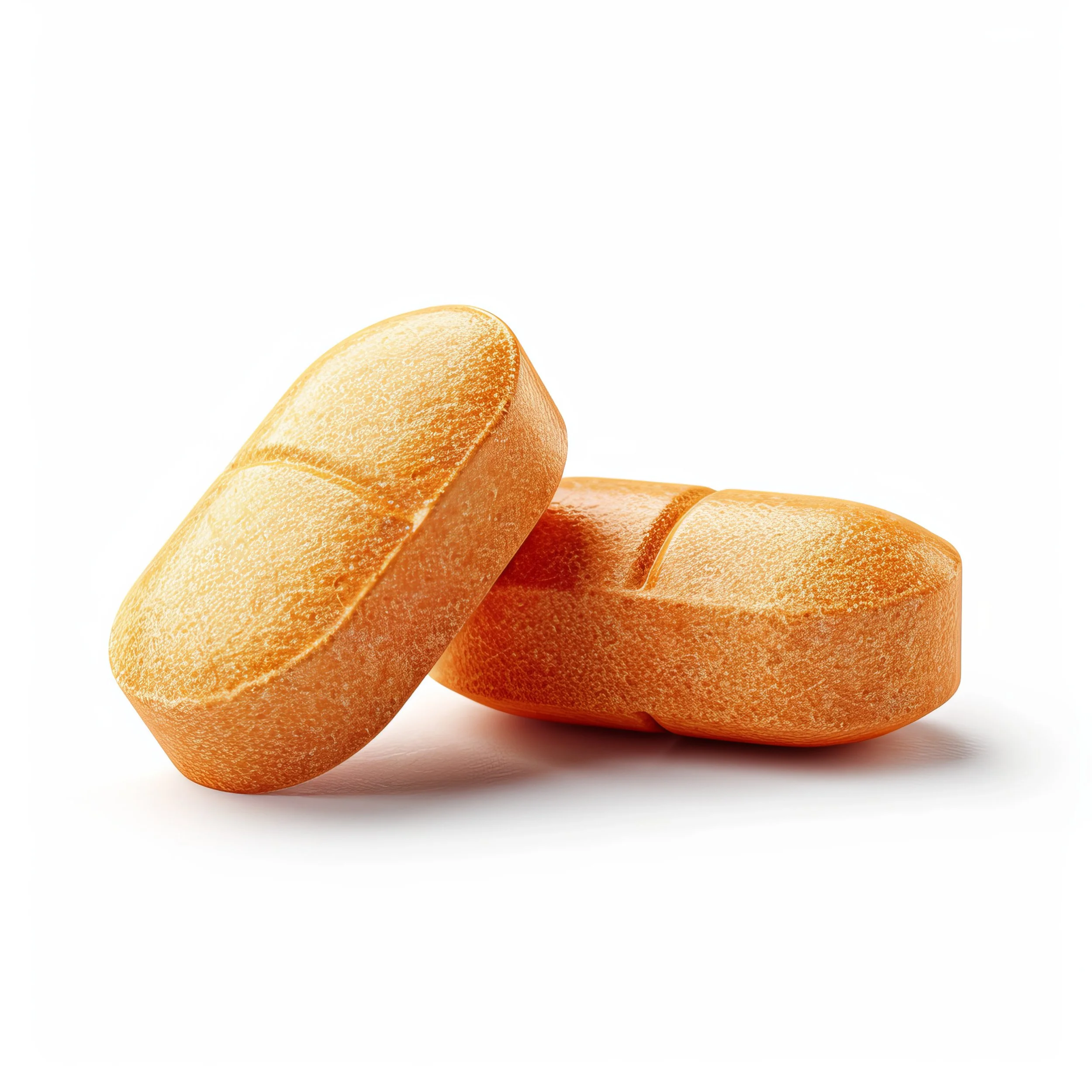
Sunscreen pills are a growing trend in the skincare and wellness industry, marketed as an easy and innovative way to protect your skin from the harmful effects of ultraviolet (UV) radiation. These pills claim to reduce sunburn, minimize UV damage, and even support skin health, all without the need for messy creams or reapplication. But how effective are they, and can they replace traditional sunscreen? Let’s explore the science and limitations behind sunscreen pills.
What Are Sunscreen Pills?
Sunscreen pills are dietary supplements formulated with ingredients that are believed to bolster the skin’s natural defenses against UV damage. Unlike traditional sunscreens that act as a barrier on the skin, these pills aim to work from within the body.
•Common ingredients in sunscreen pills include:
•Polypodium leucotomos extract (PLE): A fern extract that is rich in antioxidants and has been studied for its ability to reduce oxidative stress caused by UV exposure.
•Carotenoids: Pigments like beta-carotene, lycopene, and astaxanthin, which are known for their antioxidant properties.
•Vitamins C and E: Essential antioxidants that protect skin cells from free radical damage.
•Niacinamide: A form of vitamin B3 that supports skin repair and may enhance skin barrier function.
How Do They Work?
The active compounds in sunscreen pills are designed to neutralize free radicals, reduce inflammation, and strengthen the skin’s resilience against UV rays. For example, Polypodium leucotomos extract is thought to help slow skin cell damage and prevent sunburn, while carotenoids may provide a slight protective effect by absorbing UV radiation.
•Polypodium leucotomos extract (PLE): Several studies have found that PLE can help reduce UV-induced redness (erythema) and protect skin from oxidative damage. A 2012 study published in the Journal of the American Academy of Dermatology showed that PLE supplementation reduced sunburn severity in participants exposed to UV radiation.
•Carotenoids: Studies suggest that long-term consumption of carotenoids like beta-carotene can slightly reduce sensitivity to UV light. However, the level of protection is mild compared to sunscreen.
•Antioxidants: While antioxidants like vitamins C and E are essential for skin health, their role in direct UV protection is minimal.
Should You Use Sunscreen Pills?
•Sunscreen pills may provide added support for skin health, especially for individuals prone to sunburn or seeking extra protection. However, they should only be used as a supplement to—not a replacement for—traditional sun protection methods.
For effective sun safety:
•Use a broad-spectrum sunscreen with SPF 30 or higher.
•Reapply sunscreen every two hours or after swimming or sweating.
•Wear protective clothing, hats, and sunglasses.
•Seek shade during peak sun hours (10 a.m. to 4 p.m.).
Conclusion
Sunscreen pills are an interesting innovation with potential benefits for skin health, but they fall short of delivering comprehensive sun protection. While they may reduce oxidative stress and slightly bolster your skin’s defenses, they cannot substitute for sunscreen, protective clothing, and other proven sun safety measures.
