
Heat Protectants for Hair Work
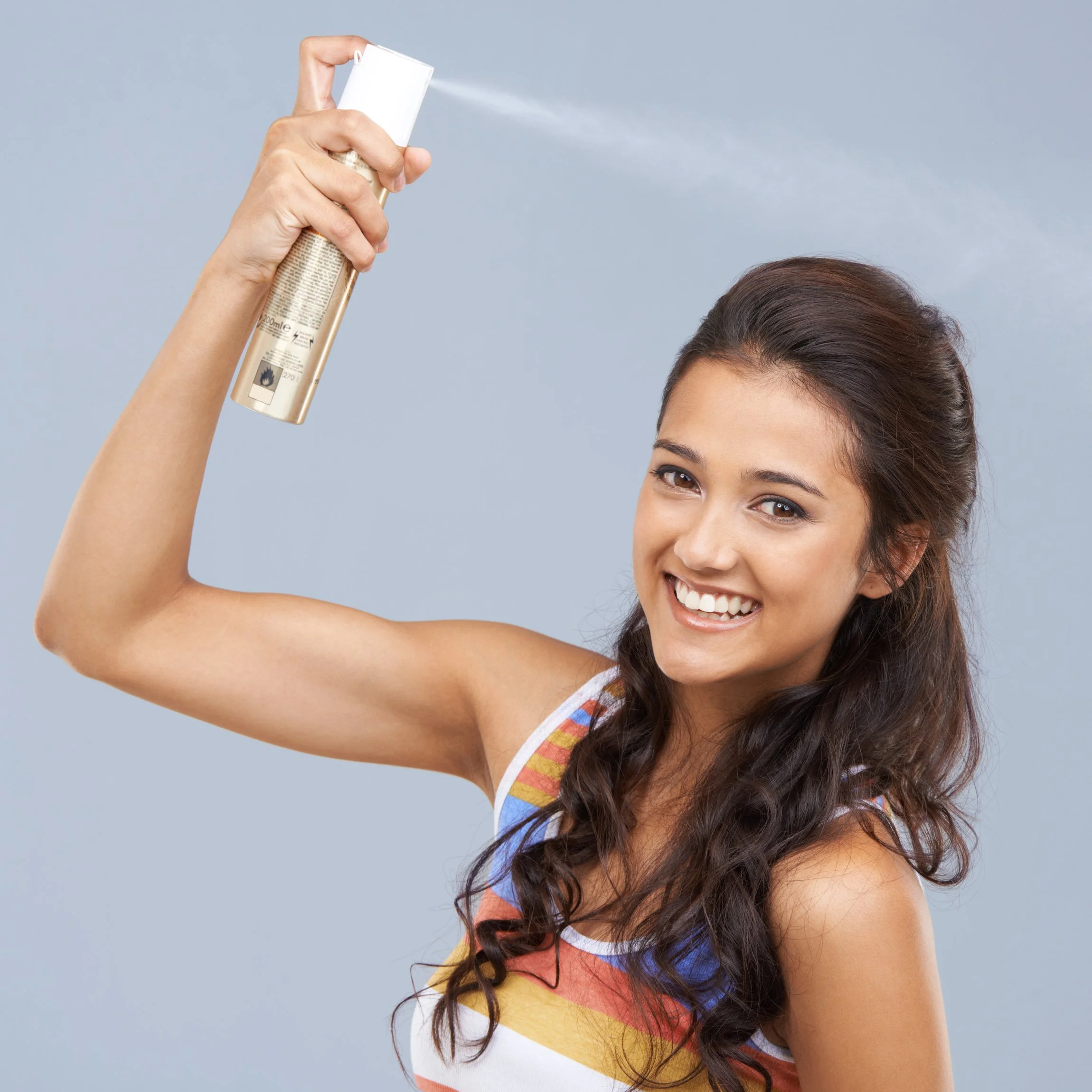
Heat protectants act as a shield for your hair when exposed to high temperatures from styling tools like flat irons, curling irons, and blow dryers. They contain ingredients that minimize heat damage by creating a protective barrier over the hair strands, reducing moisture loss and preventing breakage. Heat styling tools have become essential in creating our favorite hairstyles. However, these tools can also cause significant damage to the hair, such as dryness, breakage, split ends, and loss of shine. To counteract this, many turn to heat protectant products, which claim to shield hair from thermal damage.
What Are Heat Protectants?
Heat protectants are hair care products designed to minimize the damage caused by heat styling tools. They come in various forms, including sprays, serums, creams, and oils, and typically contain ingredients that coat the hair, reducing heat penetration and moisture loss.
Common Ingredients in Heat Protectants
•Silicones (e.g., dimethicone, cyclomethicone): These create a protective barrier on the hair shaft, helping to prevent moisture loss and reducing friction.
•Humectants (e.g., propylene glycol, glycerin): These draw moisture into the hair, keeping it hydrated during heat styling.
•Proteins and Keratin: These strengthen the hair and fill in gaps in the cuticle layer, making it more resilient to heat.
•Thermal Polymers: Special polymers in heat protectants are activated by heat and help disperse the heat more evenly along the hair strand.
How Do Heat Protectants Work?
Heat protectants function by creating a barrier between your hair and the heat source. This barrier reduces direct heat contact, minimizes water evaporation from the hair shaft, and helps prevent the cuticle—the outer layer of the hair—from being damaged.
The key benefits of heat protectants include:
•Reducing heat damage: They lower the temperature at which hair gets damaged by forming a protective film.
•Even heat distribution: Thermal polymers help spread heat evenly across the hair strand, reducing the risk of localized overheating.
•Retaining moisture: By preventing excessive moisture loss, they help maintain hair’s natural elasticity and prevent brittleness.
How to Use Heat Protectants Effectively
To get the most out of your heat protectant, follow these tips:
•Choose the Right Product: Look for heat protectants designed for your hair type and the type of heat styling you use. Check the product's heat resistance—some are formulated for tools up to 450°F.
•Apply on Damp or Dry Hair: Follow the instructions on the product label. Most sprays are designed for damp hair, while serums or creams may work better on dry hair.
•Distribute Evenly: Ensure the product coats all strands by combing or running your fingers through your hair after application.
•Don’t Overheat: Even with a protectant, avoid using tools at the highest settings. Stick to a moderate heat level that achieves your desired style without overexposing your hair.
Conclusion
•Heat protectants are a valuable tool for anyone who frequently styles their hair with heat. While they cannot provide complete protection, they significantly reduce the damage caused by high temperatures, helping maintain healthier, shinier, and stronger hair over time.
•However, the best approach to preserving hair health is to combine heat protectants with other practices, such as limiting the frequency of heat styling, using high-quality tools, and incorporating deep conditioning treatments into your routine.
